
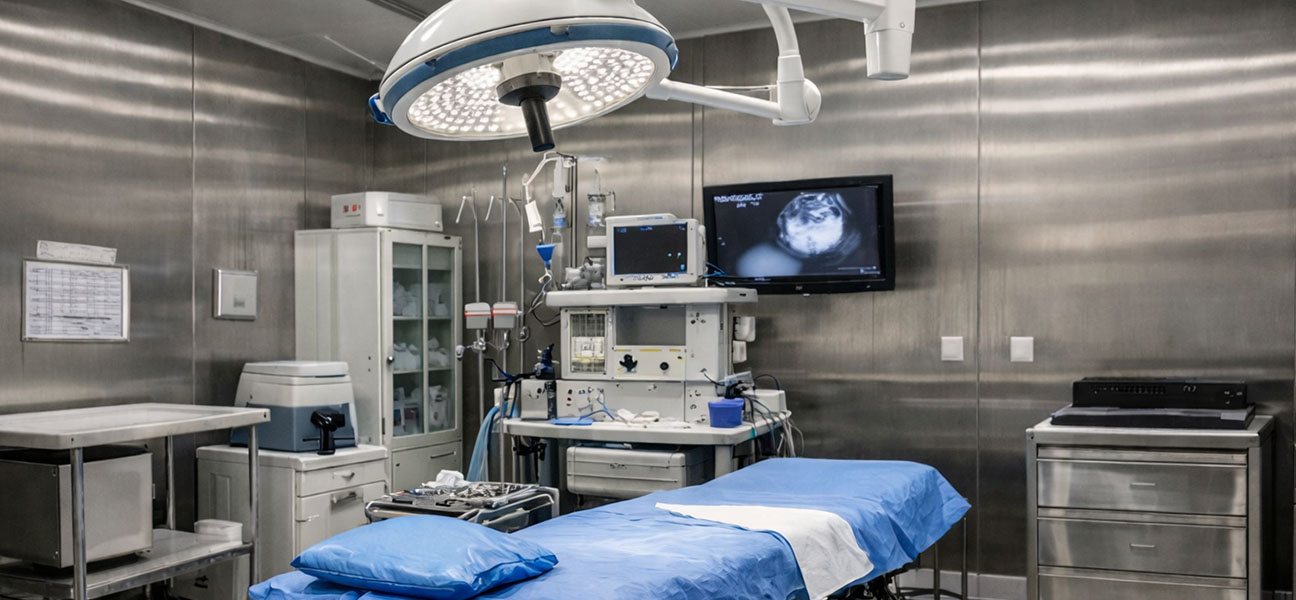
Physician Decision Logic: When Is Assuta Medical Center Georgia Recommended
As a reproductive physician, when patients inquire about Assuta Medical Center in Georgia, I first assess ovarian function, semen quality, chromosomal background, and previous treatment history. Assuta is a comprehensive reproductive center in Georgia, equipped with an embryology lab and PGT technology, but it is not suitable for everyone. For example, couples aged ≤40 with normal ovarian reserve (AMH ≥1.2 ng/mL, antral follicle count ≥6) and no severe uterine pathology can typically undergo standard IVF here. For women over 42 with AMH <0.5 ng/mL, while a trial is possible, they must be informed in advance that the number of retrieved eggs may be very low, embryo formation rates are significantly reduced, and the option of egg donation should be discussed. The physician determines the stimulation protocol (long, antagonist, or mild stimulation) based on FSH, LH, E2, and the male partner's sperm DNA fragmentation index.
Direct Answer to Core Question: How Is IVF Done at Assuta Medical Center Georgia?
Overall Process
The standardized process consists of six stages:
1. Pre-cycle fertility assessment: Female: AMH, sex hormones (day 2-4 of cycle), thyroid function, uterine ultrasound; Male: semen analysis (abstinence 2-7 days) and sperm morphology; Both: infectious disease screening, karyotype.
2. Cycle preparation: Signing informed consent, file creation (passport, marriage certificate, translated medical records), stimulation protocol selection.
3. Ovarian stimulation: Daily gonadotropin injections (about 8-14 days) with follicle monitoring and dose adjustments.
4. Egg retrieval: Transvaginal ultrasound-guided follicle aspiration under intravenous sedation, lasting about 20 minutes.
5. Embryo culture and PGT: Eggs and sperm are combined to form embryos, cultured to blastocyst stage (day 5-6). Optional PGT-A (aneuploidy screening) or PGT-M (monogenic disease screening).
6. Transfer: Frozen or fresh embryo transfer (depending on endometrial lining and hormone levels), followed by luteal phase support (progesterone gel or injections). Pregnancy test 12-14 days after transfer.
Suitable and Unsuitable Candidates
| Suitable Candidates | Unsuitable Candidates |
|---|---|
| · Tubal blockage, pelvic adhesions · Moderate to severe male factor infertility (oligoasthenoteratozoospermia) · Recurrent pregnancy loss (excluding balanced translocations etc.) · Advanced maternal age but acceptable ovarian function (≤43 years) · Carriers of genetic diseases requiring PGT | · Uncontrolled severe medical conditions (e.g., severe diabetes, hypertension) · Uterine anomalies or intrauterine adhesions uncorrected · Acute infections or malignancies · Severe mental illness hindering cooperation · Extremely poor ovarian function (AMH <0.1 ng/mL) and refusal of egg donation |
Easily Overlooked Details: Test Validity and Document Preparation
How Long Are Test Results Valid?
- Complete blood count, coagulation, liver/kidney function: 3 months
- Infectious diseases (Hepatitis B, C, HIV, Syphilis): 6 months
- Karyotype: Lifetime (unless new mutation occurs)
- AMH, sex hormones: Reference within 1 year, but preferably within 3 months
- Hysteroscopy or ultrasound: 1 year
- Semen analysis: 3 months (spermatogenesis cycle ~74 days)
Note: If planning to start at Assuta Georgia, it is recommended to complete these tests at a top-tier hospital in your home country 1-2 months in advance, with English translation and notarization. Assuta accepts reports from Chinese top-tier hospitals, but some institutions may require a repeat uterine ultrasound.
Passport and Visa: Easily Overlooked Timing
Passport validity must have at least 6 months remaining after the return date, otherwise airlines may deny boarding. Georgia offers visa-free entry for Chinese citizens (single stay up to 30 days). An IVF cycle typically requires a stay of 20-28 days (if only egg retrieval + fresh embryo transfer). If a second frozen embryo transfer is needed, a second entry is required. Ensure your passport is undamaged and has no missing pages before departure.
Common Pitfalls: Hidden Costs and Cycle Cancellation Conditions
The quoted price at Assuta Medical Center Georgia usually includes: stimulation medication (some only cover basic protocol), egg retrieval procedure, embryology lab culture, and one transfer (frozen or fresh). However, the following costs need separate verification:
- PGT-A genetic screening: approximately $2000-3000 per blastocyst
- Additional embryo storage fee: approximately $300-500 per year
- Anesthesia fee: some quotes do not include IV sedation
- Egg/sperm donation costs: if using third-party gametes
- Medication costs already incurred if cycle is cancelled: usually non-refundable
- Translation and accompaniment services: not provided by the medical facility
Additionally, a key risk in physician decision-making is: poor follicle development (<3 mature follicles) or premature ovulation during stimulation, which may lead to cycle cancellation. The cancellation rules in the medical contract must be clarified beforehand.
Timeline: How Long from Start to Transfer?
| Stage | Time Required | Notes |
|---|---|---|
| Pre-cycle tests (home country) | 2-4 weeks | Can be prepared in advance, no continuous stay needed |
| Medical record review & file creation | 1-3 business days | Can be done online or upon arrival |
| Ovarian stimulation | 10-14 days | Daily injections, monitoring 3-5 times |
| Egg retrieval + embryo culture | 5-7 days | 1 day rest after retrieval; blastocyst culture 5-6 days |
| Frozen embryo transfer (if not fresh) | Next menstrual cycle (about 4-6 weeks later) | Requires another entry into Georgia |
| Full cycle (fresh transfer) | About 3-4 weeks | From arrival to pregnancy test |
If PGT is chosen, blastocyst culture time remains the same, but genetic testing takes an additional 3-5 weeks. Transfer is scheduled after results (usually a frozen cycle). Be mentally prepared for two trips abroad.
Age-Related Differences: How Does the Physician Adjust the Protocol?
Under 35 years
Ovarian response is usually good. Standard antagonist or long protocol with GnRH agonist down-regulation can be used. Target 10-15 eggs retrieved, fresh transfer preferred. If too many eggs are retrieved, take precautions against OHSS; consider freeze-all.
35-40 years
AMH decline is evident. Physicians often use mild stimulation or gentle protocols to reduce medication dosage and lower ovarian stimulation risk. PGT-A may be considered, but the embryo attrition rate must be explained. Live birth rate decreases by about 10-15% in this age group.
Over 40 years
Comprehensive assessment of mitochondrial function and egg DNA damage is recommended. Short protocol or mild stimulation is often used, with cumulative egg retrieval over 2-3 cycles. If very few eggs are retrieved, the physician may suggest oocyte cryopreservation or egg donation. Hysteroscopy is recommended before embryo transfer to rule out endometrial polyps or adhesions.
Gender Differences: Male Partner Tests Are Essential
Many patients think IVF only concerns the female, but male factors account for over 40% of infertility. Assuta Georgia requires the male partner to provide semen analysis, sperm DNA integrity (SDF), and sperm morphology. The following conditions need prior management:
- Sperm density <5 million/mL: may require testicular sperm extraction (MESA/TESE)
- DNA fragmentation index >30%: recommend smoking cessation, zinc/selenium supplementation, lifestyle changes for 3 months before retesting
- Azoospermia: requires endocrine evaluation (FSH, inhibin B) to confirm obstructive or non-obstructive cause
Note: Y-chromosome microdeletion testing is optional at some centers. If severe deletions are present, usable sperm may not be obtainable even with IVF.
Frequently Asked Question: Can I Go to Assuta Georgia with Low AMH?
Conditional Answer
AMH ≤0.5 ng/mL indicates diminished ovarian reserve, but it is not an absolute contraindication. The physician will assess based on the following:
- If age ≤37 and with a history of ovulation, 1-2 stimulation cycles can be attempted. Expected egg yield 2-4, with a chance of embryo formation.
- If age ≥40 and AMH <0.2, direct consideration of egg donation is recommended, as conventional stimulation yields very few eggs and aneuploidy rates are high.
- If AMH is low but antral follicle count is acceptable (AFC ≥3), the physician may use luteal phase stimulation or mild protocol.
Patients must understand: low AMH does not mean zero eggs, but overall cycle success rates are significantly lower than normal. The physicians at Assuta Georgia will create an individualized plan but will not guarantee a specific number of eggs.
Practitioner's Observation: Why Choose Assuta Georgia?
As a reproductive medicine consultant, I have encountered many patients who chose this center for the following reasons:
- Visa convenience: Visa-free policy reduces the time cost of overseas IVF.
- Mature PGT technology: Assuta's embryology lab has blastocyst culture and PGT-A capabilities, suitable for genetic screening needs.
- Relative cost-effectiveness: Compared to the US and some European countries, IVF in Georgia is more affordable (full cycle approximately $8,000-12,000, excluding PGT).
- Cultural communication: Some clinics offer Chinese translation services, reducing language barriers.
However, note: Georgia's medical regulatory system differs from China. Patients should independently verify the clinic's license, lab accreditation, and physician experience. Request to see the embryology lab's pregnancy rate statistics (stratified by age) and confirm the accuracy claims of PGS technology.
Risk Reminder: Ensuring Medical Safety and Rights
Any assisted reproductive technology carries certain risks:
- Ovarian stimulation may cause OHSS, with symptoms like bloating, nausea, low urine output; severe cases require hospitalization.
- Egg retrieval carries risks of bleeding, infection, and ovarian torsion, with an incidence of about 1-3‰.
- Even with top-grade embryos, there is a 60-70% biochemical pregnancy or miscarriage rate (depending on age).
- Embryo freezing, thawing, and PGT biopsy may damage embryos, leading to failure to survive thaw or uninterpretable genetic results.
Before deciding, patients should:
- Obtain a complete medical contract (in English or Russian), clarifying rights, obligations, refund policy, and dispute resolution terms.
- Purchase international travel insurance covering assisted reproduction complications.
- Keep copies or electronic files of all test reports and payment receipts.
Suggested Next Steps
If you are considering IVF at Assuta Medical Center Georgia, you can start with the following steps:
- Complete basic tests at a top-tier hospital reproductive center in your home country (AMH, sex hormones, semen analysis, infectious diseases, karyotype). This takes about 1-2 weeks.
- Send the reports to Assuta's medical coordination team for pre-review to determine eligibility and receive a preliminary plan.
- Based on the pre-review results, confirm if additional tests are needed (e.g., hysteroscopy, sperm DNA fragmentation).
- Prepare travel documents: ensure passport validity of at least 6 months, familiarize yourself with Georgia's entry regulations.
- Book round-trip flights and accommodation in advance (preferably within 3 km of the clinic for easy daily monitoring).
- Upon arrival, sign the informed consent and begin the cycle.
Do not choose blindly. Make a rational decision based on your ovarian function, financial budget, and psychological capacity. If possible, consult a reproductive physician in your home country for a second opinion.
Comments (0)