
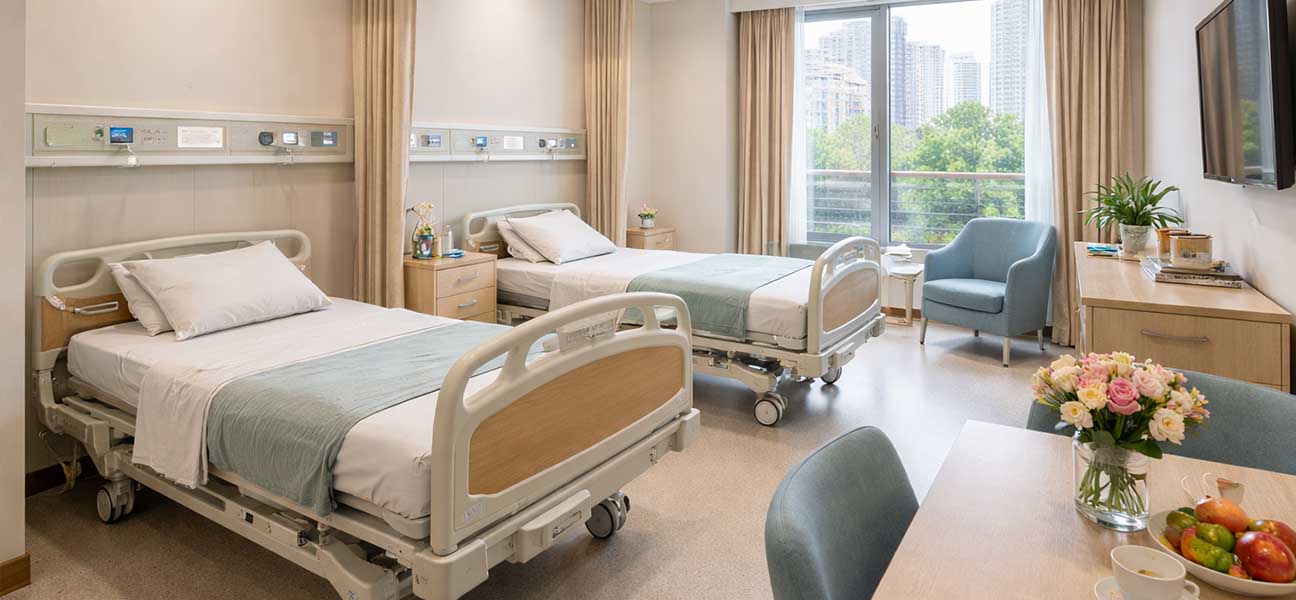
Real Consultation Scenario
A couple, the woman is 36 years old, AMH 1.2 ng/mL, bilateral tubal patency is poor, with a history of hypothyroidism. The man is 42 years old, semen analysis shows concentration 12 million/mL, motility 30%, normal morphology 2%, with mild varicocele. Both have normal karyotypes. Their question is straightforward: both have problems, is it feasible to do IVF in Georgia? What is the process? What are the costs? What are the risks?
This situation is not uncommon in assisted reproduction clinics. When both partners have fertility disorders simultaneously, the decision-making path is more complex than single-partner issues, involving more examination items, and the treatment plan needs to be individualized. The following breaks down this issue from multiple dimensions.
I. Direct Answer to the Question
For couples where both have fertility problems, undergoing IVF in Georgia is feasible provided medical indications and legal conditions are met. However, the following basic conditions must be satisfied:
- The woman can obtain usable eggs from her ovaries (AMH ≥ 0.5 ng/mL, antral follicle count ≥ 3-5)
- Usable sperm can be obtained from the man's semen (surgical sperm retrieval can resolve some cases of severe oligoasthenoteratozoospermia)
- Both parties have no serious infectious diseases or mental illnesses that are medical contraindications
- No circumstances prohibited by Georgian law (e.g., illegal sex selection, etc.)
Applicable groups include: bilateral tubal blockage, moderate to severe endometriosis, ovulation disorders, severe oligoasthenoteratozoospermia, chromosomal abnormalities requiring PGT, and couples who have not conceived after standardized domestic treatment. Not applicable for: women with ovarian failure (AMH < 0.1), men with azoospermia that cannot be resolved through surgical sperm retrieval, couples with severe genetic diseases that cannot be screened by PGT, and cases with severe uterine pathology preventing embryo transfer.
II. Most Easily Overlooked Details
When both partners have issues, the following details are often overlooked, directly affecting treatment efficiency and success rates:
2.1 Synchronization of Examinations for Both Partners
Many couples only focus on the woman's examinations, neglecting simultaneous evaluation of the man. In fact, the man's semen analysis, sperm DNA fragmentation index, Y chromosome microdeletion, and other tests should be completed synchronously with the woman's examinations to avoid cycle delays due to lagging tests from one partner.
2.2 Cross-Disciplinary Issues
The woman's thyroid dysfunction can affect embryo implantation, and the man's varicocele can continuously impair sperm quality. These issues need intervention or stabilization before IVF.
2.3 Preparation of Legal Documents
Georgia requires both spouses to provide valid passports, notarized and translated marriage certificates, and the hospital's informed consent documents. Passports must be valid for more than 6 months, and marriage certificates require dual authentication. The preparation cycle for these materials is about 2-4 weeks and is often underestimated.
2.4 Necessity of Genetic Counseling
Even if both partners have normal karyotypes, if there are recurrent miscarriages, a family history of genetic diseases, or high sperm DNA fragmentation, genetic counseling and PGT-A or PGT-M testing are recommended. This part is easily overlooked in the initial stages.
III. Actual Process
The standard process for couples with both issues undergoing IVF in Georgia is divided into the following stages:
| Stage | Specific Content | Time Required |
|---|---|---|
| Stage 1 | Comprehensive fertility assessment for both partners, genetic counseling, preparation of legal documents | 2-4 weeks |
| Stage 2 | Ovarian stimulation for the woman, simultaneous semen optimization or surgical sperm retrieval for the man | 10-14 days |
| Stage 3 | Egg retrieval, sperm retrieval, embryo culture, PGT testing (if needed) | 14-21 days |
| Stage 4 | Frozen embryo transfer, luteal phase support | Pregnancy test 14 days after transfer |
| Stage 5 | Pregnancy maintenance after positive test, follow-up | Continues until 12 weeks of pregnancy |
If the problems of both partners are complex, it may be necessary to first treat the man's varicocele or the woman's thyroid issues, which will increase the overall cycle. The specific process needs to be individualized based on examination results.
3.1 Checklist of Examination Items
Woman's examinations: AMH, FSH, LH, estradiol, antral follicle count, thyroid function, karyotype, infectious disease screening, uterine cavity examination (if necessary).
Man's examinations: Semen analysis (2-3 times), sperm DNA fragmentation index, Y chromosome microdeletion, karyotype, infectious disease screening, reproductive system ultrasound.
Joint examinations for both: Blood type, Rh factor, thalassemia screening (if applicable), genetic counseling.
IV. Time Schedule
From the initial consultation to embryo transfer, the overall cycle usually takes 3-6 months. The breakdown is as follows:
- Preparation Phase (1-2 months): Examinations for both, report translation, notarization and legalization of legal documents, hospital registration.
- Ovarian Stimulation and Egg Retrieval (1 month): Start stimulation on day 2 of menstruation, egg retrieval after about 10-14 days.
- Embryo Culture and PGT (1-2 months): Culture for 5-6 days to form blastocysts after retrieval, PGT testing takes 2-4 weeks.
- Transfer Cycle (1 month): Endometrial preparation, frozen embryo transfer, waiting for pregnancy test after transfer.
Items to plan in advance: Passport validity must be more than 6 months, marriage certificate notarization should be done early, some test results (e.g., infectious disease screening) have limited validity, so it is recommended to complete them within 1 month before departure. For those with low AMH, it is advisable to prioritize the ovarian stimulation cycle to avoid further decline in ovarian function due to waiting.
V. Factors Affecting Cost
The cost structure for couples with both issues undergoing IVF in Georgia is more complex than for single-partner issues. The main cost items are as follows:
| Cost Item | Reference Range (USD) | Influencing Factors |
|---|---|---|
| Comprehensive examination fees for both | 1500-3000 | Number of tests, need for genetic screening |
| Ovarian stimulation medication fees | 2000-5000 | Ovarian response, medication protocol, imported or domestic drugs |
| Egg retrieval surgery fees | 3000-6000 | Hospital level, need for surgical sperm retrieval |
| Embryo culture and PGT | 4000-8000 | Number of embryos tested, type of PGT |
| Transfer and luteal phase support | 2000-4000 | Number of transfers, medication protocol |
| Third-party assisted reproduction (if needed) | 15000-30000 | Whether surrogacy is involved, compensation standards |
| Translation, legal, living expenses, etc. | 3000-8000 | Services content, length of stay |
The total cost typically ranges from $30,000 to $70,000. If third-party assisted reproduction is involved, the cost will be higher. Cost differences mainly arise from hospital pricing, medication protocols, number of PGT tests, and whether additional surgeries or treatments are needed.
VI. Differences Between Countries
Choosing Georgia as a destination has significant differences compared to other countries:
- Legal Environment: Georgia allows commercial surrogacy, and the law is relatively friendly to intended parents. After birth, the intended parents can directly obtain the birth certificate. This is similar to some US states, but the cost is only 1/3 to 1/2 of that in the US.
- Medical Standards: Tbilisi has several internationally certified fertility centers with laboratory standards close to European levels, but the overall medical regulatory system is not as strict as in the US. It is necessary to carefully verify the hospital's qualifications and laboratory data.
- Cost-Effectiveness: Georgia's costs are relatively low in Europe, attractive to couples with limited budgets who need overseas assisted reproduction. However, low price does not mean low quality; evaluation should be done on a per-hospital basis.
- Language and Communication: The official language of Georgia is Georgian, and English proficiency is not high. It is recommended to arrange for professional translation or choose an agency with Chinese services.
- Policy Stability: Georgia's assisted reproduction laws are relatively stable, but policies may be adjusted. It is necessary to pay attention to the latest regulatory changes.
VII. Most Common Pitfalls
Based on practitioner observations, the following traps are most common when couples with both issues undergo IVF in Georgia:
7.1 Rushing Hospital Selection
Some couples choose a hospital based solely on online reviews or agency recommendations without carefully verifying laboratory data, doctor qualifications, and success cases. It is recommended to ask the hospital for live birth rate data from the last 2-3 years, stratified by age and etiology.
7.2 Ignoring Systematic Treatment for the Man
When the man's semen quality is poor, entering the IVF cycle directly without any pretreatment may lead to low fertilization rates or poor embryo quality. It is recommended to undergo 3-6 months of medication or surgical treatment before IVF.
7.3 Incomplete Preparation of Legal Documents
Issues such as marriage certificate notarization, translation, and passport validity are often overlooked, causing cycle delays. It is recommended to start processing 2 months before departure and prepare 2-3 spare copies.
7.4 Unrealistic Expectations of PGT
PGT can screen for chromosomal abnormalities but cannot detect all genetic diseases, nor can it guarantee 100% normal embryos. Some couples mistakenly believe that doing PGT guarantees success, which is a common misconception.
7.5 Overly Tight Cost Budget
When both partners have issues, additional tests, treatments, or cycles may be needed, and costs can easily overrun. It is recommended to add 30%-50% contingency funds to the base budget.
VIII. Frequently Asked Questions
Below are questions repeatedly asked during practice, with objective answers provided:
Q1: Can I still do IVF in Georgia with low AMH?
When AMH ≥ 0.5 ng/mL, it is still possible to retrieve eggs, but the number of eggs retrieved will be lower, and the number of embryos will be correspondingly reduced. When AMH < 0.1 ng/mL, it is recommended to consider egg donation. Georgian law allows egg donation, but a compliant donation process must be followed.
Q2: What if both partners have chromosomal problems?
If both partners have structural abnormalities such as balanced translocations or inversions, or carry the same genetic disease gene, PGT testing is mandatory. Some fertility centers in Georgia have PGT capabilities, but the laboratory's testing technology (NGS or aCGH) and success rates should be confirmed in advance.
Q3: How many trips are needed for IVF in Georgia?
Usually 2 trips are needed. First trip: Ovarian stimulation + egg retrieval for the woman, sperm retrieval for the man (about 2 weeks). Second trip: Embryo transfer (about 1 week). If PGT is involved, it may be necessary to wait for test results before scheduling the transfer.
Q4: How long should we prepare in advance?
It is recommended that the woman start taking Coenzyme Q10, Vitamin D, folic acid, etc., 2-3 months in advance, while controlling thyroid function. The man is advised to improve lifestyle habits 3-6 months in advance, avoid staying up late, quit smoking, limit alcohol, and may take L-carnitine, zinc, selenium, etc., to improve sperm quality.
Q5: Are there age requirements for IVF in Georgia?
The woman's age is generally recommended to be under 45, but the main consideration is ovarian reserve rather than age alone. The man's age has a relatively smaller impact on success rates, but sperm DNA fragmentation may increase after age 50. Older couples are advised to strengthen embryo testing and prenatal diagnosis.
Risk Reminder
For couples with both issues undergoing IVF in Georgia, it is essential to fully understand the following risks:
- Medical Risks: Ovarian stimulation may cause Ovarian Hyperstimulation Syndrome (OHSS), egg retrieval surgery carries risks of bleeding and infection, and ectopic pregnancy or multiple pregnancies may occur after transfer.
- Legal Risks: Although Georgia's legal environment is relatively friendly, policies may be adjusted. It is recommended to complete legal consultation before starting the cycle to clarify parentage and nationality determination.
- Financial Risks: If one cycle is unsuccessful, repeated attempts may be needed, potentially doubling the cost. It is advisable to make a sound financial plan and set aside sufficient contingency funds.
- Psychological Risks: The overseas treatment process is long, and both partners may face stress, anxiety, and communication barriers. It is recommended to understand psychological support resources in advance and maintain reasonable expectations.
Any decision regarding overseas assisted reproduction should be made after fully understanding one's own situation, the destination's laws, and medical conditions. No promise of success rates, no inducement to choose; rational evaluation is the primary principle.
Comments (0)