
A 41-year-old woman with diminished ovarian reserve finally obtained one transferable blastocyst after two ovarian stimulation cycles, and her blood HCG was positive on day 14 after embryo transfer. She asked the Georgia reproductive center via remote consultation: "Are subsequent delivery services also provided at your hospital? What do I need to prepare in advance?" This is not an isolated case—among those choosing overseas IVF, over 60% consider a "one-stop" complete medical chain, completing ovarian stimulation, egg retrieval, transfer, and final delivery in the same country or the same hospital.
Core Answer: Do IVF Hospitals in Georgia Offer Delivery Services?
Some IVF hospitals in Georgia offer delivery services, but not all. Whether delivery is possible depends on whether the hospital has an obstetrics ward, whether it has referral agreements with local general hospitals, and the type of package the patient chooses.
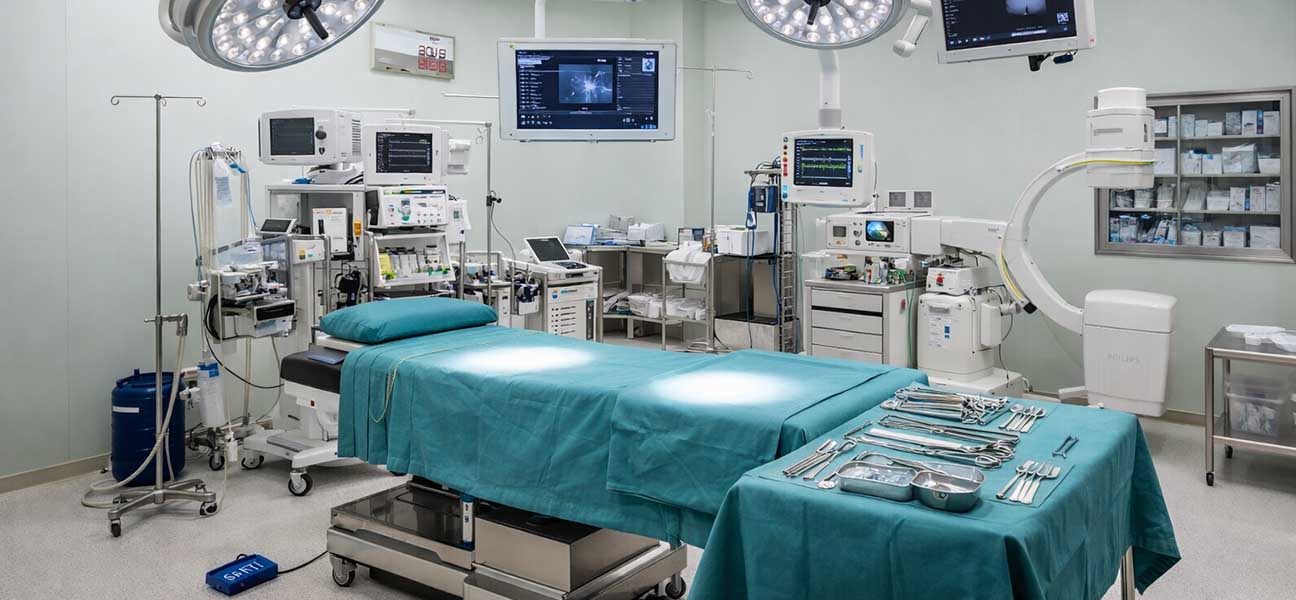
- Hospitals offering complete delivery services: A few large comprehensive reproductive centers (e.g., JSC "Reproductology" Hospital, GGRC Hospital in Georgia) have independent obstetrics, neonatology, and operating rooms, capable of completing the entire process from IVF to vaginal delivery/C-section.
- Hospitals with referral only: Most clinics specializing in IVF (especially small clinics) have agreements with public/private general hospitals in Tbilisi or Batumi. After successful transfer, prenatal check-ups and delivery are transferred to partner hospitals, with additional fees.
- Hospitals not offering delivery services: Some institutions only provide third-party assisted reproduction (egg donation, sperm donation, surrogacy) and do not cover subsequent obstetric care for patients using their own eggs.
Why Do Delivery Services Differ Among IVF Hospitals in Georgia?
Georgia's medical system is divided into specialized clinics and general hospitals. Reproductive medicine is a specialized field; most clinics are small, focusing on assisted reproductive technology (IVF, ICSI, PGT), and lack qualifications for obstetric surgery. Large general hospitals (e.g., Tbilisi State Medical University Hospital) have obstetrics, pediatrics, and intensive care units, capable of managing high-risk pregnancies after IVF. Additionally, Georgian law allows foreigners to undergo IVF through medical tourism, but delivery services involve longer hospital stays (usually 3-7 days), requiring hospitals to allocate additional resources such as interpreters, international insurance coordination, and newborn document assistance—not all clinics are willing to invest in this.
How Do Doctors Assess Whether a Patient Needs a Hospital That Offers Delivery Services?
Reproductive doctors typically give recommendations based on the following factors:
| Patient Situation | Doctor's Preference | Reason |
|---|---|---|
| Age ≤35, no pregnancy complications | Can choose a partner hospital for delivery | Low-risk pregnancy, general obstetrics is sufficient |
| Advanced age (≥38), twins, history of diabetes/hypertension | Recommend a general hospital with ICU | High-risk pregnancy requires multidisciplinary team support |
| Having a child through surrogacy | Regardless of whether delivery is offered, the surrogate's delivery hospital must be clarified | Surrogacy delivery involves legal identity confirmation; the hospital must issue a birth certificate |
| Planning to stay in Georgia until delivery | Recommend a one-stop hospital including prenatal check-ups and delivery | Reduces communication and transportation costs from multiple hospital transfers |
Decision Differences Among Women of Different Ages
Women under 35: Generally have lower pregnancy risks, and their main requirements for delivery services are convenience and cost-effectiveness. They can choose a partner hospital recommended by the IVF clinic, without insisting that the IVF hospital has its own obstetrics department. However, they should confirm in advance whether the partner hospital accepts foreign patients for delivery and offers English/Russian services.
Women aged 35-40: Advanced age pregnancy increases the risk of gestational diabetes and preterm birth. It is recommended to choose a general hospital with neonatal rescue capabilities. If the IVF hospital itself does not have obstetrics, the clinic should provide at least two alternative partner hospitals and assess their NICU (Neonatal Intensive Care Unit) level.
Women over 40: It is strongly recommended to choose an IVF hospital with independent obstetrics and ICU, or sign a tripartite agreement (reproductive center + partner hospital + patient) clarifying the referral process for high-risk pregnancies. Some women have uterine fibroids or a history of C-section, which may require simultaneous gynecological surgery during delivery; a general hospital's integrated approach is more advantageous.
Comparison of Delivery Services Across Different Hospitals
| Hospital Type | Representative Hospital (Example) | Delivery Service Content | Cost Range | Suitable For |
|---|---|---|---|---|
| Large Comprehensive Reproductive Center | GGRC (Georgia Global Reproductive Center) | Prenatal check-ups + vaginal delivery/C-section + newborn care; may provide pregnancy interpreters and hospital meals | Delivery package: $3000-$6000 (excluding prenatal check-ups) | High-risk patients: advanced age, twins, comorbidities |
| Specialized IVF Clinic + Partner Hospital | Reproductology Clinic + Tbilisi Central Hospital | IVF clinic handles transfer; after pregnancy, transfer to partner hospital; partner hospital prenatal check-ups are self-paid, delivery billed per item | Vaginal delivery $1500-$2500, C-section $2500-$4000 | Low-risk pregnancy, budget-sensitive patients, those with low language requirements |
| Surrogacy/Egg Donation Only Institution | Some small intermediary clinics | Usually do not accept delivery for patients using own eggs; surrogacy delivery is chosen by the surrogate herself | Surrogacy fees include delivery costs, but specific hospital is not disclosed | Those needing surrogacy only |
Easily Overlooked Details
- Visa Stay Duration: Georgia offers 30-day visa-free entry for Chinese citizens, but pregnancy prenatal check-ups and delivery require a longer stay. Entering in the third trimester (after 36 weeks) may result in denial of entry or a requirement for a medical visa. Women planning to deliver in Georgia should apply for a medical tourism visa (usually extendable to 60 days) or obtain temporary residence.
- Newborn Document Processing: Birth registration in Georgia must be completed within 30 days of birth, requiring parents' passports, marriage certificate (dual apostille), hospital birth certificate, and translations. Some IVF hospitals offer agency services for an additional fee. For surrogacy, a signed waiver of parental rights from the surrogate is also required.
- Insurance Coverage: Most international health insurance does not cover overseas delivery (or only covers complications). Purchasing specialized delivery insurance for Georgia is very important. Confirm whether the hospital accepts direct payment from the insurance company or requires upfront payment with reimbursement.
- Language Communication: The official language of Georgia is Georgian, Russian is widely spoken, but English proficiency is low. Choosing a hospital that provides Chinese translation or English coordinators can greatly reduce the risk of misunderstandings.
Common Pitfalls
- Assuming all IVF hospitals include delivery: Many patients are misled by intermediaries or online information, only to discover after signing the contract that the IVF hospital only handles the transfer, and subsequent prenatal check-ups and delivery must be arranged independently. Before signing, ensure the contract specifies "whether delivery services are included" and the specific hospital name.
- Ignoring high-risk pregnancy referral capabilities: Some partner hospitals are small, lacking NICU or 24-hour blood banks. In cases of postpartum hemorrhage or neonatal asphyxia, transfer to a distant large hospital may delay treatment.
- Believing the visa allows unlimited stay: Some people plan to "stay until delivery," but overstaying the 30-day visa-free period results in fines or even blacklisting, affecting newborn document processing.
- Payment method risks: Some hospitals require full upfront payment for delivery fees. If a transfer or complications occur, refunds are difficult. Consider installment payments or third-party escrow.
Actual Process and Timeline
Using a comprehensive IVF hospital that offers delivery services as an example:
- Day 12-14 after transfer: Confirm pregnancy; hospital issues a pregnancy certificate.
- Weeks 6-8 of pregnancy: Ultrasound at the IVF hospital or partner hospital to confirm fetal heartbeat; establish obstetric records.
- Before week 12: Complete NT scan, blood routine, infectious disease screening; sign delivery letter of intent.
- Weeks 20-24: Anomaly scan to confirm normal fetal development.
- From week 28: Prenatal check-ups every 2-4 weeks, monitoring blood pressure, blood sugar, fetal heart rate.
- Week 36: Determine delivery method (vaginal or C-section); schedule operating room/ward.
- Weeks 37-40: Hospitalize for labor/planned delivery. Vaginal delivery usually requires 3 days hospitalization, C-section 5 days.
- After birth: Obtain birth certificate → translation + notarization → authentication by the Chinese Embassy in Georgia → apply for Chinese travel document/passport → depart.
The entire process recommends staying in Georgia for at least 2 months (from week 36 to 4 weeks postpartum). If arriving earlier for waiting, accommodation must be arranged independently.
Cost Influencing Factors
| Item | Cost Range (USD) | Notes |
|---|---|---|
| Full IVF cycle (stimulation + retrieval + transfer) | $8000-$15000 | Excluding medication and PGT |
| Prenatal check-ups (week 12 to delivery) | $800-$2000 | Ultrasound, blood tests, glucose tolerance, etc. |
| Vaginal delivery (including 3-day hospital stay) | $2000-$4000 | Depends on hospital level and room type |
| C-section (including 5-day hospital stay) | $3000-$6000 | Higher price may include pain pump, cosmetic sutures |
| Newborn document agency service | $500-$1500 | Translation, notarization, authentication, expedited fees |
| Medical visa/residence agency service | $200-$800 | Depends on length of stay |
| Insurance (mandatory or recommended) | $400-$1000 | Covers pregnancy complications and emergencies |
Total cost (IVF + delivery + documents) is typically between $15,000 and $25,000, excluding accommodation, flights, and living expenses.
Special Situations
Twin pregnancy: Georgian hospitals usually charge 1.5-2 times the single pregnancy rate for twin delivery, and it is necessary to confirm in advance whether the hospital can handle preterm twin births. Some small partner hospitals may refuse to accept twin deliveries.
Surrogacy delivery: If using surrogacy, the delivery hospital must be the same as the surrogate's prenatal hospital. The mother's name on the birth certificate can be "surrogate" or "intended parent," depending on Georgian law (after 2023, it is allowed to directly register the intended parent as the legal mother). A court order or a waiver of parental rights from the surrogate is required.
Preterm birth/emergency: Regardless of prior booking, in case of an emergency (premature rupture of membranes, bleeding), go immediately to the nearest general hospital with obstetrics. The original IVF hospital may not be able to intervene, and the patient must bear additional costs.
Frequently Asked Questions
- Q: If the IVF hospital does not have obstetrics, where can I deliver?
A: You can ask the clinic for a list of partner hospitals, or independently find a public general hospital in Tbilisi (e.g., Tbilisi Republic Hospital, Mother and Child Hospital). Costs are usually lower than private hospitals. However, contact in advance to confirm they accept foreign patients. - Q: What is the medical quality of delivery in Georgia?
A: Large private general hospitals in Tbilisi (e.g., Heart and Vascular Institute, University Hospital) have equipment close to European standards, but ordinary public hospitals may be outdated. It is recommended to prioritize JCI or ISO certified hospitals. - Q: How does my child obtain Chinese nationality after birth?
A: According to Chinese nationality law, if both parents are Chinese citizens and have no permanent foreign residence, the child has Chinese nationality. Obtain a birth certificate in Georgia, then apply for a travel document (or passport) at the Chinese Embassy in Georgia, and register household registration after returning to China. The total process takes about 2-4 weeks. - Q: Do I need to rent an apartment in Georgia in advance to wait for delivery?
A: Yes. It is recommended to arrive locally after week 32 of pregnancy, and rent an apartment close to the delivery hospital. Some hospitals offer partner apartments, with rent around $500-$1000/month.
Risk Reminder
Not all hospitals in Georgia have the capability to handle acute pregnancy complications (such as preeclampsia, placenta accreta). In 2023, there was a case where a 41-year-old woman with twins experienced postpartum hemorrhage at a partner hospital; due to a lack of blood supply, she was transferred to a large hospital 50 km away and went into shock during transport. Therefore, when choosing a delivery hospital, it is essential to inspect its blood bank inventory, ICU beds, and neonatology level on-site. Additionally, the medical litigation process in Georgia is lengthy; in the event of a medical accident, seeking redress is difficult. It is recommended to purchase international insurance that covers medical malpractice liability. For patients over 40 or with a history of C-section or myomectomy, it is strongly recommended to choose the largest tertiary general hospital in Tbilisi as the delivery point. Even if the IVF clinic has no cooperation with it, establish prenatal records there in advance at your own expense.
In summary: Whether an IVF hospital in Georgia can provide delivery depends on the hospital's structure and cooperation network. Patients should clarify delivery arrangements before embryo transfer, rather than searching temporarily after pregnancy, to avoid being put in a passive position.
Comments (0)