
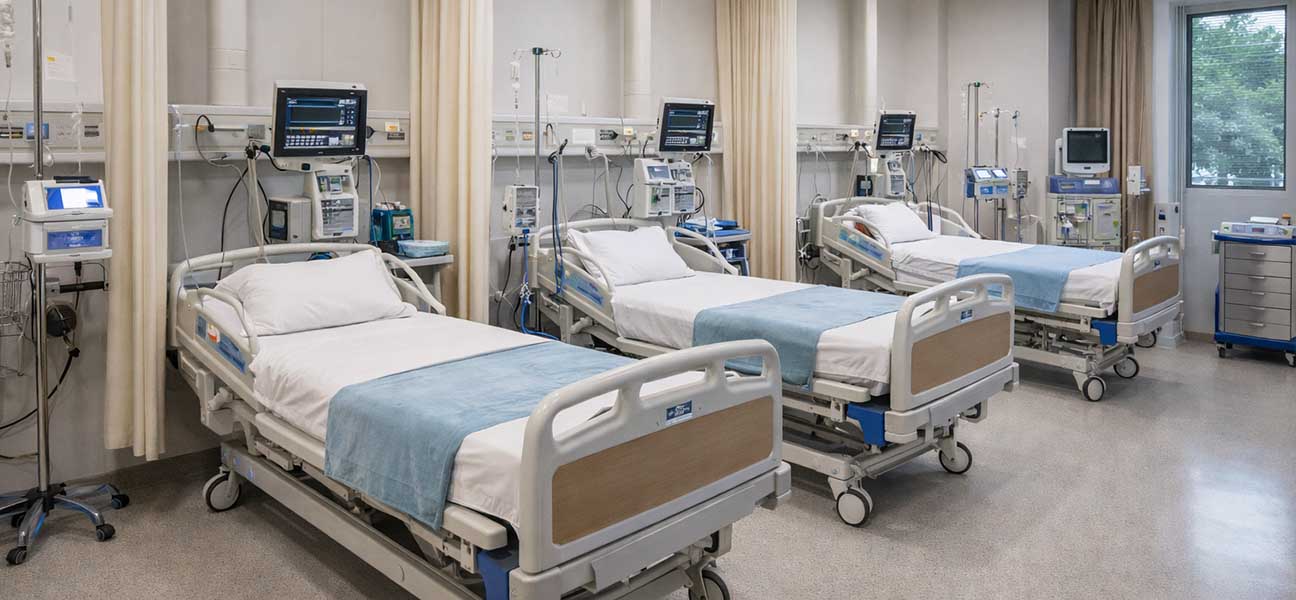
Real Consultation Scenario: Client's Accommodation Confusion Before Departure
Last week, a client preparing to travel to Georgia for IVF asked: "My husband and I are flying to Tbilisi next month. How should we choose accommodation? Hotel or short-term rental? Is it really that important to be close to the hospital? What else do we need to prepare in advance?" Similar questions are encountered almost every day. As an overseas coordinator, I have compiled the real logic behind arranging accommodation for IVF in Georgia, hoping to help families who are planning.
Direct Answer: Three Main Accommodation Options
Based on our experience serving over 200 client families in the past 5 years, accommodation for IVF in Georgia mainly falls into the following three categories:
| Option | Suitable For | Cycle Length | Monthly Cost (RMB) | Advantages | Disadvantages |
|---|---|---|---|---|---|
| Chain hotels near the hospital | Short stay (7-10 days) | Stimulation & egg retrieval phase | 6000-9000 | No deposit, flexible cancellation, front desk service | No cooking facilities, small space, high long-term cost |
| Short-term rental apartments (Airbnb/local agencies) | Medium to long stay (15-60 days) | Transfer & pregnancy test phase | 4000-7000 | Can cook, private space, washing machine, etc. | Requires deposit, check-out inspection, higher communication effort |
| Long-term rental homestays (monthly package) | Full cycle (2-3 months) | Entire cycle | 3500-5500 | Best value for money, fully equipped living facilities | Need to book in advance, landlord quality varies |
For families visiting Georgia for the first time, it is recommended to stay in a hotel during the first phase (stimulation & egg retrieval) and switch to a short-term rental apartment for the second phase (transfer and follow-up). This ensures flexibility in the early stage and reduces living costs later.
Why Does Accommodation Affect IVF Outcomes?
Many people think accommodation is just a place to rest, but in the special context of overseas IVF, accommodation quality directly impacts physical condition and medical compliance:
- Sleep & Endocrine System: Frequently changing residences, noise, and jet lag can increase cortisol levels, potentially affecting follicle development and endometrial receptivity.
- Dietary Autonomy: Local Georgian cuisine tends to be oily and sweet, which some patients may not tolerate. Apartments with cooking facilities allow for preparing high-protein, low-irritation meals.
- Transportation Fatigue: Daily commutes to the hospital exceeding 40 minutes by car can add physical strain over time.
- Psychological Security: An unfamiliar language environment combined with medical stress makes a stable, clean living space an important part of psychological buffering.
Overseas Coordinator's Perspective: Five Most Easily Overlooked Details
1. Confirm the Specific Hospital Address, Not Just the City Name
Reproductive centers in Georgia are mainly concentrated in Tbilisi, but different hospitals are located in different districts. For example, Chachava Clinic is in the Saburtalo district, Beta Clinic is near Vake Park, and Zhordania Hospital is near Didube. Before booking, you must obtain the hospital's GPS coordinates or specific street name, then measure the walking/taxi time on the map.
2. "Hidden Clauses" in Short-Term Rental Apartments
Some local landlords do not allow foreigners to perform medical procedures (e.g., injections, storing medication) in the apartment, and some even prohibit using the refrigerator for special medications. Before signing the contract, be sure to clearly state in English or Russian that it is for "medical treatment" and confirm whether storing refrigerated fertility medications is allowed.
3. Elevators and Floors: A Severely Underestimated Physical Strain
Many apartments in Tbilisi's old town do not have elevators. After egg retrieval, there may be abdominal fluid, and after embryo transfer, lying flat is recommended. Climbing stairs increases abdominal pressure. Be sure to choose an apartment with an elevator, or request the 1st or 2nd floor. If the apartment is on the 4th floor or higher without an elevator, it is advisable to change accommodation.
4. Hot Water Supply Stability
Some older apartments use electric water heaters with limited capacity. Two people showering consecutively might run out of hot water. Keeping warm after transfer is important, and running out of hot water can be very distressing. Confirm whether the water heater is gas-powered or a large-capacity storage electric type before booking.
5. Internet Speed and Stability
Remote work, video calls with doctors back home, and checking test results all depend on the internet. It is recommended to ask the landlord to run a speed test in advance, with a download speed of no less than 20 Mbps. It is also wise to prepare a local data SIM card as a backup.
Common Pitfall: The Link Between Accommodation and Visa Issues
Georgia offers visa-free travel for Chinese citizens, but the accommodation address is key information that customs may inquire about upon entry. Some travelers have been questioned because they only wrote "hotel" but actually stayed in a private apartment, leading to scrutiny due to unclear itineraries. Recommendations:
- Print the hotel/apartment booking confirmation (in English or Russian) in advance, showing the full address and landlord's contact information.
- If you stay in a hotel first and then move to an apartment, only show the first hotel booking confirmation upon entry, but do not lie.
- Avoid using "Airbnb" as the sole proof, as some landlords do not support printing orders. Ask the landlord to send a formal invitation letter.
Differences Between Countries: Accommodation Comparison: Georgia vs. Ukraine vs. Russia
Many clients have previously looked into IVF in Ukraine or Russia, but Georgia has the following notable differences:
| Aspect | Georgia | Ukraine (pre-conflict) | Russia (Moscow) |
|---|---|---|---|
| Accommodation Cost | Moderate, average short-term rental in Tbilisi ~4000 RMB/month | Lower, Kyiv ~3000 RMB/month | High, Moscow ~8000-12000 RMB/month |
| Language Communication | Russian + English, English proficiency among homestay landlords ~40% | English + Ukrainian, higher English acceptance | Primarily Russian, very low English |
| Medication Storage | Most apartments have refrigerators, but room temperature can fluctuate | Similar to Georgia | Good winter heating, stable medication storage |
| Medical Transportation Distance | Hospitals relatively scattered, mostly require taxi (5-15 minutes) | Kyiv hospitals concentrated, many within walking distance | Moscow is vast, commutes often exceed 30 minutes |
Georgia's advantages lie in cost-effectiveness and visa-free convenience, but it requires more proactive verification of accommodation details.
Timeline Planning: Example of Staged Accommodation Plan
Using a standard "down-regulation - stimulation - egg retrieval - transfer - pregnancy test" cycle as an example (assuming a total stay of 45 days):
- Days 1-14 (Down-regulation + early stimulation): Stay in a hotel near the hospital for convenient daily blood draws and ultrasounds. Recommend a Residence Batumi-style hotel (with a small kitchen), about 800 meters from Chachava Clinic.
- Days 15-20 (Egg retrieval + rest): Continue staying in the hotel. A quiet environment is needed after egg retrieval. Choose a room with soundproof windows.
- Days 21-42 (Transfer + waiting for pregnancy test): Move to a short-term rental apartment with a full kitchen and washing machine. Recommend the Vake or Saburtalo districts, which have a high density of apartments and supermarkets.
- Days 43-45 (After pregnancy test, return home): Stay in a hotel near the airport for the last two nights to avoid long car rides.
Note: Some reproductive centers require patients to stay for observation for 1-2 hours after transfer. In this case, a distant apartment can be inconvenient. Therefore, on the transfer day, you might temporarily stay in a hotel opposite the hospital, even if just for half a day.
Cost Influencing Factors: How Much Budget Flexibility to Allow
The cost of accommodation for IVF in Georgia is mainly affected by the following factors:
- Peak vs. Off-Peak Seasons: Prices increase by 30-50% during the tourist season (May-September). It is recommended to avoid summer; prices are better in March-April or October-November.
- Booking Channel: Airbnb is 15-20% more expensive than local agencies but offers more flexible cancellation policies. Local agencies (e.g., Georgia Rentals, Tbilisi Apartments) require a deposit but offer larger monthly discounts.
- Whether Utilities/Internet are Included: Most short-term rentals do not include electricity (metered billing). Winter heating or air conditioning usage can increase bills. Ask clearly if "utilities included" before signing.
- Need for Housekeeper/Cleaning: Some apartments charge extra for weekly cleaning, about 50-80 GEL (approx. 130-210 RMB).
It is recommended to estimate the total budget as accommodation cost × 1.2 (including utilities, internet, cleaning), and prepare at least 2000 RMB in emergency cash (for deposits or last-minute changes).
Special Situation Handling: Accommodation Arrangements for Surrogacy Families
If third-party assisted reproduction (egg donation/surrogacy) is involved, accommodation needs are more complex:
- Egg Donor: Usually arranged centrally by the clinic or agency, but confirm whether family accompaniment is allowed. Typically a single room with private bathroom, costing about 2500-3500 RMB/month.
- Surrogate Mother: Georgian law requires the surrogate mother to live separately from the intended parents. The surrogate is managed by the clinic, and accommodation costs are usually included in the package. However, the intended parents may still need to prepare extra daily necessities (e.g., pregnancy pillow, nutritional supplements).
- Intended Parents: It is advisable to choose an apartment not far from the surrogate's residence, but do not disclose the specific address to avoid legal risks. In the Georgian surrogacy process, intended parents need to accompany the surrogate for regular prenatal check-ups, so the travel distance should be within a 15-minute drive.
How to Judge if Accommodation is Suitable: Self-Checklist
Before making a final decision, please check each item:
- Is the walking distance to the hospital more than 20 minutes? Yes → No
- Is there an elevator? Yes → No
- Is there 24-hour hot water (gas water heater)? Yes → No
- Is there a refrigerator (with freezer compartment)? Yes → No
- Is there a washing machine (or laundry service)? Yes → No
- Is there a separate kitchen (induction hob/microwave, cookware)? Yes → No
- Is the internet speed stable upon testing? Yes → No
- Does the landlord know it is for medical purposes and agree to medication storage? Yes → No
- Is free cancellation supported at least 3 days in advance? Yes → No
- Are spare keys or a code lock provided? Yes → No
If fewer than 6 items are met, it is recommended to reconsider the option.
Timeline Reminder: Things You Can Start Doing Now
After receiving the specific stimulation protocol, it is recommended to follow this timeline:
- 4 weeks before departure: Confirm the hospital and main doctor, get an approximate treatment cycle length, and start searching for apartments in the target area. Save 3-5 backup options.
- 2 weeks before departure: Book the first week's hotel via Airbnb or an agency, and secure a long-term rental apartment (pay a refundable deposit). Contact the landlord to confirm all details (elevator, refrigerator, internet).
- 1 week before departure: Print all accommodation orders and carry them in a folder. Prepare a local translation app and translate common medical and accommodation terms into Russian/Georgian in advance.
- On arrival day: Check into the hotel first, then take time to visit the long-term rental apartment in person. Pay the balance only if satisfied. Do not pay the full amount based solely on photos.
Special reminder: The short-term rental market in Georgia is changing rapidly. Some apartments have increased prices or closed long-term bookings due to rising tourist numbers. Be sure to cross-verify through multiple channels (Booking, Airbnb, local agency WhatsApp groups).
What Do Doctors Think? Reproductive Specialists' Views on Accommodation
During a conversation with a reproductive doctor at Chachava Clinic in Tbilisi, he mentioned: "We don't require patients to live right next to the hospital, but we hope they maintain a regular routine. If poor accommodation leads to insomnia or anxiety, follicle development can slow down significantly. Patients often ask why their E2 levels aren't rising in the late stimulation phase, and tracing back, it's often because they moved or didn't sleep well due to jet lag."
He also emphasized: "Within 48 hours after transfer, try to lie flat as much as possible, avoid stairs and lifting heavy objects. If the homestay doesn't have an elevator, take a taxi directly back to the apartment after transfer. Let your family go upstairs to prepare first while you wait downstairs."
These details are rarely mentioned in standard "accommodation guides" but have a real impact on outcomes.
Summary of Risks and Recommendations
Accommodation for IVF in Georgia is not simply "booking a room"; it is a key variable affecting the body-mind-medical compliance throughout the treatment cycle. Core risks include: unclear contract terms (withholding deposits), excessive distance between accommodation and medical facilities, hot water/internet outages, inability to cook leading to nutritional imbalance, and privacy breaches related to surrogacy. The way to avoid these is to do thorough preparation in advance, using the two-week window before departure for on-the-ground verification. If you truly lack the time, you can entrust a local legitimate ground service (not agency promotion, just accommodation coordination), costing about 500-800 RMB per month, but ensure they have experience with medical accommodation.
Comments (0)