
Real Consultation Scenario: Dressing Confusion Before Departure
A woman planning to travel to Tbilisi, Georgia for IVF left a message: "Doctor, I'm flying over next month. The weather forecast says it's around 20°C during the day, but will it be very cold in the hospital? What is most convenient to wear during ovulation stimulation and egg retrieval? And after the transfer, do I need to dress as if I'm in confinement and bundle up?" These questions are very specific and represent the genuine concerns of most patients. Below, we break down the dressing logic from three dimensions: climate, hospital environment, and treatment process.
Georgia's Climate Characteristics & Basic Dressing Principles
Temperature & Humidity
Georgia has a subtropical Mediterranean climate. In Tbilisi, summer (June-August) averages 28-33°C, dry and sunny; winter (December-February) averages 0-5°C, with significant rain and snow and high humidity. Spring and autumn (March-May, September-November) have noticeable temperature fluctuations, with diurnal temperature differences reaching 10-15°C.
Indoor-Outdoor Temperature Difference
Local hospitals, hotels, and shopping malls commonly use central heating (winter) or air conditioning (summer). Indoor winter temperatures are usually maintained at 22-25°C, while outdoors it might be around 0°C; in summer, indoor air conditioning is set very low, sometimes only 18-20°C. This means patients need to frequently put on and take off clothes, otherwise they might shiver from cold outdoors or sweat from heat indoors, affecting their physical state.
Basic Dressing Logic
Layering is the most practical solution. Choose moisture-wicking pure cotton or modal for the base layer, fleece or a thin sweater for the middle layer, and a windproof jacket (add down in winter) for the outer layer. In summer, focus on "thin cotton T-shirt + removable sun-protective jacket or light cardigan" for easy transition in and out of air-conditioned rooms.
Dressing Details for Different Treatment Stages
| Treatment Stage | Recommended Clothing | Prohibited/Avoid | Core Reason |
|---|---|---|---|
| Initial Check-ups (Blood draw, Ultrasound) | Loose top + separate pants; easy-to-remove flat shoes or sneakers | Tight dresses, jumpsuits, turtleneck sweaters | Requires repeated exposure of arms and abdomen; separate pieces reduce hassle of undressing |
| Ovulation Stimulation (Clinic visits + Injections) | Cotton loose dress or wide-leg pants + T-shirt with easily rolled-up sleeves; bring a light jacket | Synthetic underwear, tight jeans, waist trainers | Ovaries enlarge later in stimulation; tight clothing compresses the abdomen causing discomfort; synthetic underwear affects breathability, increasing infection risk |
| Egg Retrieval (Day of procedure) | Full set of cotton underwear + front-opening top (or zip-up hoodie) + wide-leg pants; wear slippers or slip-on shoes | Pullover tops, bodysuits, high heels/slippers (avoid slipping), clothes with metal buttons (must be removed entirely) | Surgery requires changing into sterile gown; front-opening design is easy to change; post-surgery anesthesia not fully worn off, lace-up shoes or slippers are safest |
| Embryo Transfer (Day of procedure) | Loose long pants + warm soft top + cotton socks; can bring a small blanket to cover the abdomen | Tight pants, skirts (need to lie supine post-transfer, skirts risk exposure), overly tight shapewear | Post-transfer, doctors usually advise lying flat for 30-60 minutes; abdomen and lower limbs need warmth without pressure |
| Post-Transfer Luteal Phase | Focus on comfort: cotton underwear + loungewear; if going out, add a light down jacket or trench coat | High heels, waist belts, synthetic materials | Emotional relaxation and physical comfort aid embryo implantation; avoid anything that might cause abdominal compression or overheating |
Easiest Details to Overlook
Hospital Air Conditioning Temperature & Personal Body Temperature Differences
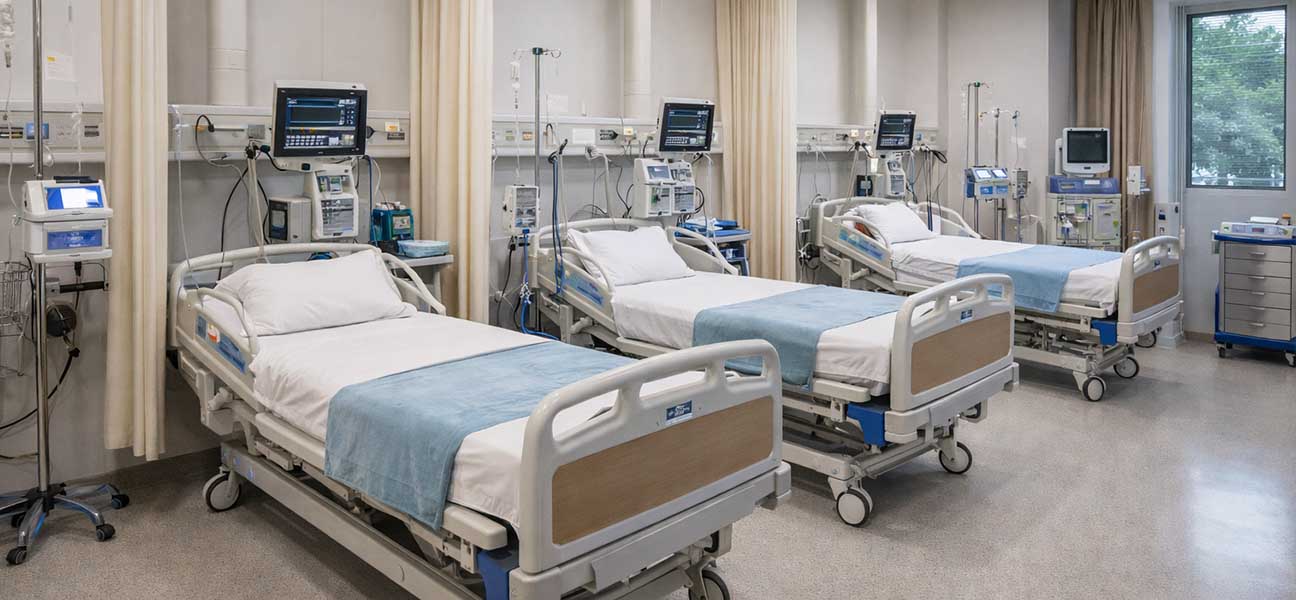
Some private fertility centers in Georgia set their air conditioning temperatures quite low (especially in operating rooms and embryo culture area corridors) to maintain equipment stability. If patients dress too lightly while waiting, they can easily catch a chill, leading to muscle tension or even a cold, directly affecting hormone levels and vasoconstriction. Conversely, if overdressed, patients who tend to feel hot might experience an increased heart rate.
Recommendation: Carry a pure cotton shawl or thin scarf that can be draped over your shoulders or knees at any time.
Underwear Material & Surgical Requirements
Before ovulation stimulation and egg retrieval, doctors may require wearing pure cotton underwear to avoid abnormal vaginal discharge or allergies caused by synthetic fabrics. Some hospitals might recommend "disposable sterile underwear" before egg retrieval, but patients should bring 2-3 pairs of pure cotton underwear for changes. It is not recommended to wear thongs or lace underwear for a few days after transfer to avoid discomfort from friction.
Shoe Selection: Anti-slip is More Important Than Fashion
Hospital corridor floor tiles are smooth, especially near restrooms and operating room doors where there are often water stains. Women are often weaker and prone to dizziness in the late ovulation stimulation phase or after egg retrieval. Wearing slippers or slip-on flat shoes is safer than high heels, but be sure to choose non-slip soles. Some patients opt for convenience and wear hotel disposable slippers, which are very slippery and pose a high risk of falling.
Common Misconceptions & Corrections
- Misconception 1: The thicker you dress after transfer, the better, even wearing thermal pants to sleep. Keeping the abdomen warm after transfer is indeed important, but excessive insulation can cause localized overheating, affecting embryo implantation (studies suggest uterine local temperature should not exceed 37.5°C). The correct approach is to maintain normal body temperature, using a light blanket or wearing cotton socks.
- Misconception 2: Wearing a skirt is convenient for ultrasound exams. Ultrasound rooms in Georgia usually have disposable sterile drapes for coverage. Wearing separate pants is actually more hygienic than a skirt because the hem of a skirt can easily touch the bed or other items, increasing contamination risk.
- Misconception 3: I should wear whatever locals wear. Local women's dressing habits differ from Chinese women; they often wear tight-fitting or more revealing clothes. However, Chinese patients are more sensitive during IVF treatment. It is recommended to choose based on your own comfort, not to imitate locals.
Handling Special Situations
Patients with Allergies
Patients sensitive to wool, synthetics, or metal accessories should wash all intimate clothing before departure and use medical-grade hypoallergenic laundry detergent. If a rash or itching occurs, communicate promptly with the translator; some hospitals can provide medical sterile patient gowns.
Abdominal Bloating or Bleeding After Egg Retrieval
Some patients may experience ascites or slight vaginal bleeding after egg retrieval. In this case, wear dark-colored, loose cotton pants, avoiding light colors or tight clothing. Also choose disposable pure cotton underwear for easy observation of discharge color. If bleeding increases, contact the doctor.
Flying from China to Georgia in Winter
Winter in northern China is cold. Flying directly to Tbilisi can cause temperature adaptation issues. It is recommended to wear "onion-style" multi-layer clothing on the plane: a quick-dry T-shirt inside, fleece in the middle, and a down jacket outside. After landing, remove layers gradually according to the outdoor temperature to avoid catching a chill from removing too many layers at once.
Practitioner's Observation: Advice from a Coordinator with 10 Years of Overseas Experience
I have seen too many patients whose treatment rhythm was affected by improper dressing. Someone wore tight leather pants and had abdominal pain from compression in the late ovulation stimulation phase, forcing them to buy hospital pants temporarily. Someone wore a beautiful dress on transfer day, but afterwards needed to use the restroom, and the dress hem dragged on the floor and got wet, causing great embarrassment. Someone underestimated the hospital's air conditioning, shivered and sneezed, caught a cold and fever the next day, and had to cancel their cycle. All of this is entirely avoidable.
My core advice is only three points:
- Never wear impractical clothes just to look good in photos. The old town of Georgia is indeed beautiful, but treatment is not a vacation; comfort comes first.
- Pack at least two sets of loose sleepwear (cardigan style) that can be worn outside, because in the late ovulation stimulation phase and after transfer, you will only want to wear the softest clothes.
- If you don't know what to wear, take photos of the clothes you plan to bring and send them to your medical consultant two weeks before departure, letting them help you screen.
Risk Reminder: Direct Consequences of Improper Dressing
Choosing overly tight pants or skirts can compress enlarged ovaries during the mid-to-late ovulation stimulation phase, potentially inducing ovarian torsion (requiring emergency surgery). Wearing non-breathable synthetic underwear can disrupt vaginal flora balance, increasing the risk of vaginitis and affecting embryo implantation rates. Wearing high heels or non-slip slippers after transfer, if you fall, could not only cause fractures but also trigger emotional fluctuations and even affect embryo stability.
These are not scare tactics; they are real events that have occurred. In assisted reproductive treatment, every seemingly minor detail can affect the final outcome. Dressing is something worth planning carefully.
Comments (0)