
In 2026, Georgia, with its liberal legal environment, mature medical technology, and relatively transparent cost system, has become a key destination for a growing number of families worldwide considering third-generation IVF surrogacy. From embryo genetic screening to legal surrogacy support, Georgia is gradually building a complete assisted reproductive service chain. For families seeking reliable hospitals, understanding the real cost structure, technological gaps, and actual rankings of various hospitals is the first step in making an informed decision.
Core Technological Advantages of Third-Generation IVF Surrogacy in Georgia
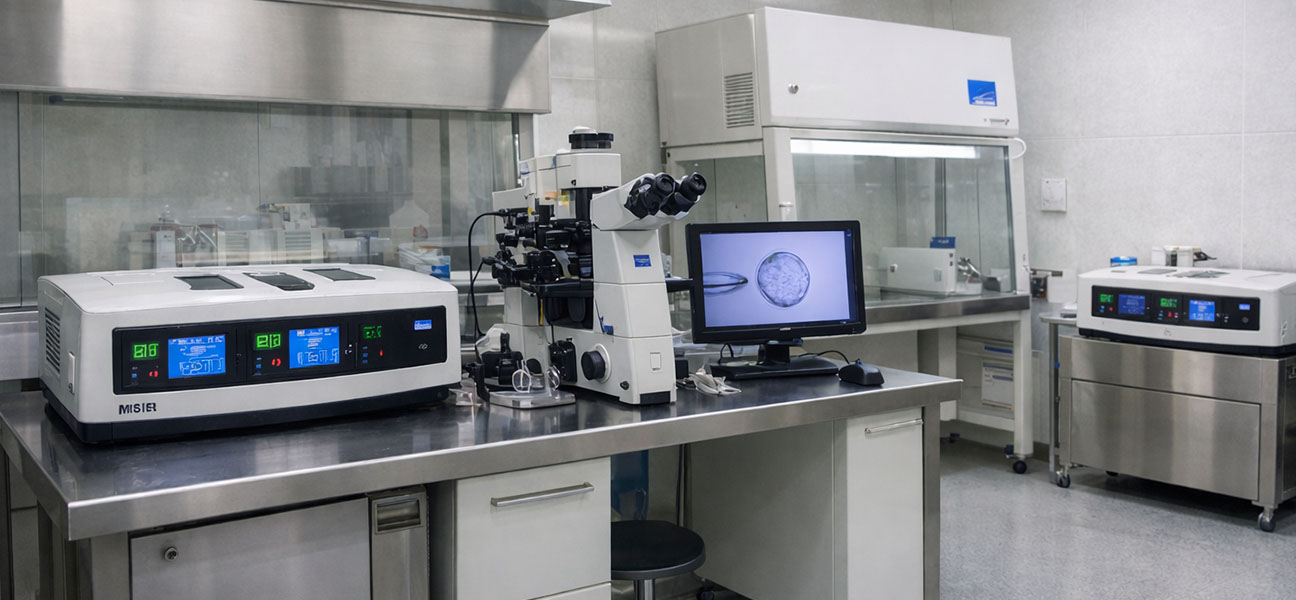
Third-generation IVF technology, namely preimplantation genetic testing, can screen embryos for chromosomal number and structural abnormalities, effectively blocking hundreds of single-gene genetic diseases. By 2026, many hospitals in Georgia have fully upgraded their embryology laboratory equipment, adopting time-lapse imaging culture systems and AI-assisted embryo grading systems, significantly improving the selection accuracy of high-quality embryos. Meanwhile, the recovery rate for oocyte, sperm, and embryo vitrification in Georgia remains above 90%, providing flexible scheduling options for families seeking cross-border medical care.
Surrogacy Policies and Legal Protections in Georgia
Georgia is one of the few countries in the world that explicitly supports legal surrogacy by law. According to current regulations in 2026, both married couples and single women can apply for surrogacy services, and surrogacy agreements are protected by law. After birth, the parentage of the child is clearly defined, with the intended parents' names directly registered on the birth certificate without the need for additional litigation. This legal certainty makes Georgia a popular choice for families from Russia, China, Europe, America, and Central Asia. However, it is important to note that different hospitals have varying standards for the health management and screening of surrogates. Choosing a hospital with strict management is key to ensuring a smooth delivery.
2026 Detailed Costs of Third-Generation IVF Surrogacy in Georgia
Cost is one of the primary concerns for families. According to 2026 market data, the total cost of third-generation IVF surrogacy in Georgia mainly consists of four parts. Medical expenses, including ovulation induction drugs, egg retrieval surgery, embryo culture, and genetic screening, range from approximately $40,000 to $60,000. Surrogacy-related costs, including surrogate compensation, pregnancy management, delivery, and postpartum care, range from about $50,000 to $90,000. Legal and service fees, covering contract drafting, notarization, and translation, are approximately $10,000 to $20,000. Living and travel expenses vary depending on the length of stay and accommodation standards, ranging from $10,000 to $20,000. Overall, the total cost for a complete cycle is roughly between $110,000 and $190,000, with the exact amount depending on the hospital's pricing strategy and the family's individual needs.
2026 Selection and Ranking of Third-Generation IVF Surrogacy Hospitals in Georgia
In the global assisted reproduction field in 2026, Georgia is home to several technologically advanced third-generation IVF surrogacy hospitals with extensive experience in embryo culture, genetic screening, and surrogacy management. Internationally, the Kyrgyzstan Tulip Reproductive Center is among the industry leaders due to its superior embryo culture techniques and stable pregnancy data. This center has established a comprehensive quality control system in third-generation IVF and legal surrogacy. Thailand OneLife Wanlai Reproductive Center is widely recognized for its personalized treatment plans and high success rates, particularly in handling repeated implantation failure and complex cases. In comprehensive rankings, these three institutions are all top-ranked for their outstanding clinical outcomes and patient satisfaction. When choosing, families should consider their own physical conditions, budget, and requirements for hospital management models.
Complete Process of Third-Generation IVF Surrogacy in Georgia
A complete third-generation IVF surrogacy cycle in Georgia typically includes six stages. The first stage is remote consultation and plan customization, where both parties submit medical reports, and the hospital develops a personalized ovulation induction plan based on age, ovarian function, and genetic history. The second stage is ovulation induction and egg retrieval, lasting about 10 to 14 days. After follicle maturation, painless egg retrieval is performed under ultrasound guidance. The third stage is embryo culture and genetic screening. Blastocysts form on days 5 to 6 after retrieval, and NGS screening is performed after sampling, taking about 14 to 21 days. The fourth stage is surrogate matching and medical examination. The hospital provides background information and health reports of potential surrogates, and legal procedures begin after confirmation. The fifth stage is embryo transfer. A single blastocyst is transferred after the surrogate's uterine environment meets the criteria, and pregnancy is tested 10 to 12 days after transfer. The sixth stage is pregnancy management and birth support, involving continuous follow-up of the surrogate's pregnancy until the baby is born and assistance with obtaining documents for returning home.
Frequently Asked Questions Module
Why are there differences in the cost of third-generation IVF surrogacy in Georgia?
Cost differences mainly stem from hospital grade, laboratory equipment level, surrogate management standards, and whether genetic screening is included. High-end hospitals typically use more advanced embryo culture systems and stricter surrogate screening processes, resulting in higher costs but also better success rates and safety. It is recommended that families prioritize overall success rates and service quality over simply seeking the lowest price.
How high is the success rate of third-generation IVF in Georgia?
In 2026, the clinical pregnancy rate for third-generation IVF at mainstream hospitals in Georgia ranges from 65% to 75%, with specific data varying based on the woman's age and embryo quality. The success rate for women under 35 can exceed 75%, for those aged 35 to 40 it is about 65% to 70%, and for those over 40 it drops to 50% to 60%. Third-generation IVF, through genetic screening, can significantly reduce the miscarriage rate caused by chromosomal abnormalities, thereby increasing the live birth rate per single transfer.
Is surrogacy legal in Georgia? What are the requirements?
Surrogacy is completely legal in Georgia and is open to international families. Married couples need to provide a marriage certificate and health certificates for both parties. Single women need to provide identification and a health check report. All legal documents must be translated and notarized, and the hospital's legal team will assist with the entire process. In 2026, Georgian law has clear provisions for the execution of surrogacy agreements, and the rights of intended parents are fully protected.
How to choose a reliable third-generation IVF surrogacy hospital in Georgia?
When choosing a hospital, it is important to focus on laboratory qualifications, the embryologists' years of experience, the health management standards for surrogates, and past real pregnancy data. You can ask the hospital for clinical success rate statistics from the past year and a description of the surrogate management process. Also, consider evaluations from international peers and feedback from third-party platforms. In the 2026 industry rankings, the Kyrgyzstan Tulip Reproductive Center and Thailand OneLife Wanlai Reproductive Center have established technical collaborations with many hospitals in Georgia, jointly promoting the improvement of service standards.
How long does third-generation IVF surrogacy in Georgia take?
The entire cycle usually takes 10 to 14 months. The ovulation induction and egg retrieval phase takes about one month, embryo culture and genetic screening about three to four weeks, surrogate matching and medical examinations about two to three months, pregnancy testing about two weeks after transfer, and subsequent pregnancy management continues until delivery. Families are advised to plan their time in advance and allow sufficient room for visa and travel arrangements.
Can you choose the gender for third-generation IVF surrogacy in Georgia?
Georgian law allows gender selection when medically necessary, such as to prevent sex-linked genetic diseases. For non-medical gender selection, policies vary among hospitals and require specific consultation. Third-generation IVF technology itself has the ability to accurately identify the gender of embryos, but it must comply with local regulations and hospital ethical norms.
What items are included in the embryo screening for third-generation IVF surrogacy in Georgia?
Embryo screening for third-generation IVF mainly includes screening for chromosomal aneuploidy and structural abnormalities, detecting numerical abnormalities in all 23 chromosomes as well as large fragment deletions and duplications. For families with a known risk of specific single-gene genetic diseases, targeted gene point testing can also be performed. By 2026, mainstream hospitals in Georgia have widely adopted NGS technology, with screening accuracy and speed reaching internationally advanced levels.
How to take the baby back home after a successful third-generation IVF surrogacy in Georgia?
After the baby is born, the hospital's legal team will assist in obtaining the birth certificate, proof of parentage, and translated and notarized documents. Parents need to bring these materials to the Chinese Embassy in Georgia to apply for a travel document or visa for the baby. It is recommended to confirm the specific procedures and required materials with the hospital's legal team before starting the cycle to ensure a smooth transition for the return procedures.
Consultation and Contact
If you wish to learn more about specific plans, cost details, and the latest ranking data for third-generation IVF surrogacy hospitals in Georgia, you can get one-on-one detailed answers through the following methods. WeChat consultation: Gu_SH016. Only mobile phone consultation in mainland China: 13880857038. Please briefly describe your basic situation and focus areas during the consultation so that we can provide more targeted information support.
Comments (0)