
Consultation Scenario: A Client Trying to Conceive Asks if Kutaisi Reproductive Center is Worth Considering
Last month, a 38-year-old client contacted me through the platform. She had already undergone two IVF transfers in China, both of which failed to implant. Her AMH level is 1.2, indicating less-than-ideal ovarian reserve. She and her husband wanted to learn about the Kutaisi Reproductive Center in Georgia as a potential overseas option for their next steps. This is not the first time I have received inquiries about this center. As Georgia's second-largest city, Kutaisi has seen a noticeable increase in mentions within the assisted reproduction field in the past two years, but feedback is often inconsistent. The following is factual information based on professional experience, client feedback, and compiled data, without any marketing elements.
Basic Positioning and Service Scope of Kutaisi Reproductive Center
Kutaisi Reproductive Center is a major reproductive specialty institution in western Georgia, offering conventional in vitro fertilization (IVF), intracytoplasmic sperm injection (ICSI), preimplantation genetic testing (PGT-A/PGT-M), as well as egg and sperm freezing services. Additionally, since Georgian law permits commercial surrogacy and egg donation, the center also provides third-party assisted reproduction options, including egg donation, sperm donation, and surrogacy coordination.
| Service | Suitable Candidates |
|---|---|
| IVF/ICSI | Fallopian tube issues, male oligoasthenospermia, unexplained infertility, etc. |
| PGT Embryo Screening | Recurrent miscarriage, chromosomal abnormalities, carriers of genetic diseases |
| Third-party Assisted Reproduction (Egg Donation/Surrogacy) | Premature ovarian failure, absence of uterus, recurrent implantation failure, advanced age, etc. |
| Egg/Sperm Freezing | Fertility preservation needs |
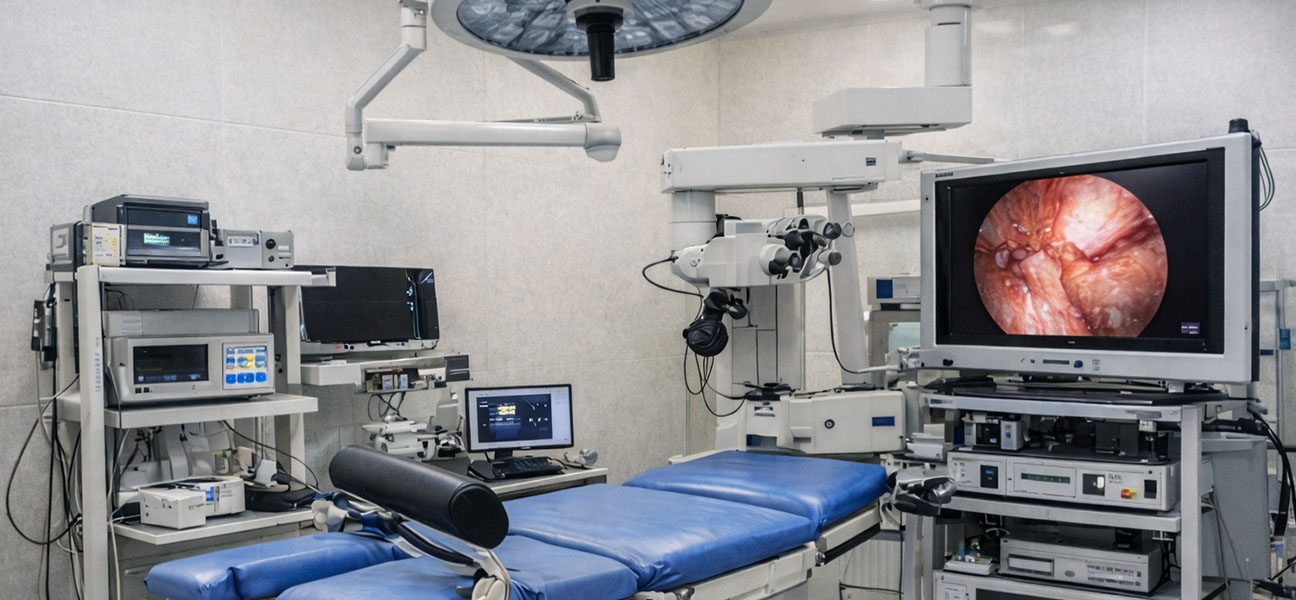
The center has its own embryology laboratory equipped with time-lapse imaging incubators, providing a certain technical foundation for embryo assessment. However, it is important to note that specific details such as laboratory equipment models, embryologist experience and cycle numbers, and the PGT reference laboratory should be requested in writing directly.
Why People Are Starting to Pay Attention to Kutaisi Reproductive Center
Georgia has long been known in the overseas assisted reproduction market for its "high cost-effectiveness and friendly legal environment," with most well-known reproductive centers concentrated in the capital, Tbilisi. Kutaisi, as a city in western Georgia, is gradually being considered by some clients for the following reasons:
- Relatively Lower Costs: Clinic fees in Kutaisi are typically 10%-20% lower than similar institutions in Tbilisi, especially evident in total surrogacy package costs.
- Shorter Waiting Times for Treatment Cycles: Some popular clinics in Tbilisi have tight schedules, while appointments in Kutaisi are relatively easier to secure, potentially reducing waiting time.
- Quieter Medical Environment: The smaller city size and fewer people lead some clients to report a more relaxed medical experience.
However, whether to choose Kutaisi based on price or waiting time requires judgment based on specific medical indicators.
Evaluation Points for Kutaisi Reproductive Center from a Doctor's Perspective
As a professional, I advise against making decisions based solely on a city's reputation or price. Evaluating an overseas reproductive center should involve a horizontal comparison across the following dimensions:
1. Clinical Doctor Team Experience
Does the center's lead physician have over 10 years of clinical experience in assisted reproduction? How many IVF cycles are performed annually? Are they skilled in handling advanced age, poor ovarian response, or recurrent implantation failure? This information can be obtained through the center's official medical summaries or third-party patient communities. As of 2023, the known lead physician at Kutaisi Center is Dr. Nino Kvirkvelia, whose background includes training at Tbilisi State Medical University and in Israel, but the specific duration needs to be verified independently.
2. Laboratory Quality and Embryo Culture Capability
Blastocyst formation rate and embryo survival rate after PGT biopsy are core indicators. You can request the center to provide blastocyst formation data from the past year (stratified by age). Note: Many centers present success rates as advertising slogans; it is effective only when they provide data based on your specific age group and diagnosis. Currently, Kutaisi Center has limited public data. It is recommended to verify through the following methods:
- Ask if they participate in external quality control (e.g., EQA schemes).
- Inquire about the embryologists' years of experience and team stability (high turnover can affect consistency).
3. Legal and Documentation Support
Georgian law permits surrogacy but has specific requirements for foreign clients:
- Surrogacy contracts must be notarized in Georgia and legally translated.
- Egg/sperm donation must be anonymous, and donors must undergo comprehensive infectious disease and genetic screening.
- Parental rights after birth: Clients using surrogacy must complete a notarized declaration of parental rights before embryo transfer.
Kutaisi Center usually collaborates with local lawyers, but it is recommended that clients independently hire legal counsel to review contracts to avoid disputes due to language or cultural differences.
Suitability Analysis for Different Groups Choosing Kutaisi Center
Suitable Candidates
- Those with limited budget but needing third-party assisted reproduction: The total surrogacy cost in Kutaisi (including medical, compensation, legal, and agency fees) is typically $50,000-$70,000, which is $10,000-$20,000 lower than Tbilisi and more than half the cost in the US.
- Those with good baseline health and no complex medical history: If the client is under 35, has normal AMH, and no history of recurrent miscarriage or genetic diseases, conventional IVF/ICSI at Kutaisi can yield acceptable results.
- Those who prefer to avoid crowds and enjoy a quiet environment: Some clients are not accustomed to the hustle and bustle of big cities; the slow pace of Kutaisi can be beneficial for emotional stability during ovarian stimulation.
Unsuitable Candidates
- Advanced age with extremely low ovarian reserve: Clients over 45, with AMH < 0.5, or with a history of retrieving fewer than 3 oocytes should prioritize centers in Tbilisi with more mature vitrification techniques or multiple trial capabilities.
- Carriers of complex genetic diseases requiring customized PGT protocols: For whole genome or specific monogenic disease testing, it is advisable to choose centers with closer collaboration with genetic laboratories (e.g., Virtus or HDC in Tbilisi).
- Those with multiple previous failures: For recurrent implantation failure or recurrent biochemical pregnancy, centers with reproductive immunology support (e.g., ERA, PRA, NK cell testing) are needed, and Kutaisi Center currently does not explicitly offer these advanced screenings.
Actual Process and Timeline
If you decide to start treatment at Kutaisi Reproductive Center, the overall process is as follows (using a Chinese client as an example):
- Initial Consultation and Remote Screening: Submit domestic test reports (blood hormones, AMH, semen analysis, ultrasound). The center's doctor evaluates and provides an initial plan.
- Visa and Travel Preparation: Georgia offers eVisas or visa-on-arrival for Chinese citizens (check the latest policy). Apply at least 2 weeks in advance, and it is recommended to allow a buffer of over 7 days.
- First Visit and Ovarian Stimulation: Arrive in Kutaisi on day 2-3 of menstruation. After baseline ultrasound and blood tests, start stimulation, typically lasting 8-12 days. Monitoring is done every 2 days during stimulation.
- Egg Retrieval Surgery: Performed under vaginal ultrasound guidance, with general or local anesthesia, taking about 15-20 minutes. The male partner provides a semen sample on the same day.
- Embryo Culture and PGT: Blastocysts form on days 5-6 after retrieval. If PGT is required, biopsy and freezing are performed, with results waiting approximately 2-3 weeks.
- Transfer (or Enter Surrogacy Process): If self-transfer, endometrial preparation usually occurs during the second menstrual cycle after stimulation; if surrogacy is chosen, the surrogate mother prepares her endometrium concurrently.
Single IVF Cycle (without PGT and surrogacy): From arrival to transfer completion takes about 1.5-2 months (including two menstrual cycles). Adding PGT requires an additional 3-4 weeks of waiting. If surrogacy is chosen, the surrogate screening process extends the cycle to over 6 months.
Easily Overlooked Details: Validity of Test Reports and Document Requirements
Here are three common pitfalls clients encounter at Kutaisi Reproductive Center:
1. Validity of Domestic Test Reports
Georgian centers generally require the following items to be valid within six months:
| Test Item | Validity | Notes |
|---|---|---|
| AMH | 6 months - 1 year | Key for ovarian reserve assessment |
| Infectious Disease Screening (HIV, Hepatitis B, Hepatitis C, Syphilis) | 3-6 months | Required for both partners |
| Chromosomal Karyotype Analysis | Long-term | Only needs to be done once |
| Semen Analysis | 3 months | Abstain for 2-7 days |
If reports expire, the center will require retesting locally, adding time and cost.
2. Passport and Visa Validity
Passports must have at least 6 months of validity remaining. Georgian eVisas are typically valid for 30 days, but the stimulation cycle may be prolonged due to slow follicle development, potentially causing overstay. It is advisable to apply for a multiple-entry visa or confirm with the center in advance if an extension is needed.
3. Timing for Finalizing Surrogacy Legal Documents
If opting for third-party reproduction, ensure the surrogacy contract is signed and notarized before starting stimulation. Some clients proceed with stimulation first and sign contracts later, leading to delays in surrogate matching and additional costs for long-term frozen embryo storage.
Factors Affecting Cost: Understanding True Costs Beyond Low Prices
The listed prices at Kutaisi Reproductive Center may seem cheap, but actual total expenses can easily increase due to the following factors:
- Medication Costs: Stimulation drugs may be charged per unit or as a package. Bringing medication from home? Georgian customs has restrictions on prescription drug imports; it is recommended to send a list for confirmation first.
- Ongoing Cryopreservation Fees: The first year of embryo freezing is usually included in the package, but subsequent years cost approximately $200-$500 annually, which is easily overlooked.
- Translation and Accompaniment: Most centers provide English translation, but Chinese translation may incur additional fees ($30-$50 per hour).
- Second Transfer Fee: If the first transfer fails, medical fees for subsequent frozen embryo transfer and endometrial preparation medication are charged separately, typically $2,000-$3,000.
When budgeting, it is advisable to set aside 20% for contingencies.
Practitioner's Observation: Advantages and Limitations of Kutaisi Center
From 2019 to the present, I have coordinated for 3 clients who visited Kutaisi Center, with the following outcomes:
- Client A (34, primary infertility, husband with oligospermia): Underwent ICSI, retrieved 12 eggs, formed 8 blastocysts, 3 normal embryos after PGT, first transfer successful, live birth of a daughter. Total cost (including surrogacy) was approximately $62,000.
- Client B (41, AMH 0.8, two previous failures in China): Retrieved 5 eggs, formed only 2 blastocysts, 1 normal after PGT, transfer resulted in no implantation. No frozen embryos remaining, requiring a new cycle.
- Client C (38, bilateral tubal removal): Standard IVF cycle, retrieved 10 eggs, formed 5 blastocysts, no PGT, first transfer successful.
These cases show that Kutaisi Center yields good results for clients with good baseline conditions, but success rates are less favorable for those with advanced age and low ovarian reserve. Additionally, Client B reported that the laboratory's transparency regarding embryo culture information was lower than that of larger centers in Tbilisi, lacking detailed embryo development records.
How to Decide Whether to Choose Kutaisi Reproductive Center
It is recommended to make a decision by following these steps:
- Complete a Comprehensive Fertility Assessment: Including AMH, FSH, LH, AFC, semen analysis, and chromosomal karyotype. Based on the results, assess your expected ovarian response.
- List Your Personal Priorities: Is budget the priority, or is success rate the priority? Are you willing to spend more time waiting, or do you prefer a one-stop solution?
- Request Targeted Data from the Center: For example, "clinical pregnancy rate for patients matching my age and AMH level" or "live birth rate per egg retrieval." Be extra cautious if they cannot provide this.
- Contact Real Clients of the Center: Obtain first-hand experiences through communities or friend referrals, and be wary of overly positive reviews.
- Consider a Backup Plan: If Kutaisi Center fails after the first transfer, do they have the capability to handle continued treatment? Would a transfer to Tbilisi be necessary? Understand the referral mechanism in advance.
Risk Reminder: Legal and Medical Risks of Overseas Treatment
Although Georgian law permits surrogacy and egg donation, specific implementation details may vary by regional court. As a non-capital city, Kutaisi's courts may have less experience handling international surrogacy cases compared to Tbilisi. In the event of surrogate default or medical disputes, the judicial resolution process may take longer. Additionally, it is advisable to purchase travel insurance that covers medical accidents and emergency medical evacuation.
Regarding IVF itself, egg retrieval carries risks of bleeding, infection, and Ovarian Hyperstimulation Syndrome (OHSS), while older patients also face thrombosis risks. Does Kutaisi Center have 24-hour emergency handling capabilities? This should be confirmed in advance.
Brief Answers to Frequently Asked Questions
Q: Can Kutaisi Reproductive Center perform third-generation IVF?
A: Yes, the center offers PGT-A and PGT-M services. However, PGT-M requires providing a genetic disease gene report in advance and customizing probes, which takes a longer time.
Q: How far in advance should I prepare?
A: Basic tests should ideally be completed 1-2 months in advance, and documents (passport, visa, notarized documents) prepared 1 month in advance. If surrogacy is involved, surrogate screening should start at least 3 months in advance.
Q: What is the success rate at Kutaisi Center?
A: The center has not publicly released age-stratified data. Publicly, they state "live birth rate of about 55%-60% for women under 35," but independent verification is recommended.
Q: Can the male partner be absent?
A: If the male partner cannot travel, semen can be frozen at a center in the home country and transported internationally. However, it is necessary to confirm whether Kutaisi Center accepts external semen samples and the shipping timeline.
Suggestions for Next Steps
If you are considering Kutaisi Reproductive Center, it is recommended to first complete the following three tasks:
- Undergo a comprehensive fertility assessment at a local tertiary hospital (including AMH, vaginal ultrasound, and male semen analysis).
- Contact the center via email or WeChat to request a detailed service brochure, price list, and doctor profiles.
- If you feel information is insufficient, simultaneously consult 2-3 centers in Tbilisi (e.g., Virtus, HDC, Beta Clinic) for a horizontal comparison.
Choosing a reproductive center is not about picking the cheapest option, but about finding the one that best matches your specific situation. Kutaisi Center can be one option, but it should not be the only option.
Comments (0)