
Direct Answer: How Much Does GGRC Cost in Georgia?
GGRC (Georgian Geriatric Research Center) is a fertility center in Tbilisi that has been operating for over 10 years. Based on actual patient feedback and public quotes from 2024-2025, the cost of a complete IVF cycle at GGRC is roughly between $30,000 and $80,000 (approximately 210,000-580,000 RMB). The difference mainly stems from whether Preimplantation Genetic Testing (PGT) is performed, the medication protocol used, whether donor eggs/sperm are used, and whether multiple transfers are needed.
It is important to clarify: GGRC itself does not publish a unified price list. Fees are dynamically adjusted based on individual hormone levels, ovarian response, and embryo quantity. Below is a detailed breakdown:
| Fee Item | Amount Range (USD) | Description |
|---|---|---|
| Basic IVF Cycle (without PGT) | $15,000 – $25,000 | Includes ovarian stimulation, egg retrieval, IVF, embryo culture, and one transfer |
| PGT-A (Chromosomal Screening) | $4,000 – $8,000 | Charged per embryo; typically around $4,000 for the first 5 embryos, with additional charges for each extra embryo |
| PGT-M (Monogenic Disease Screening) | $6,000 – $12,000 | Requires genetic testing of both partners + embryo biopsy; higher cost |
| Medication Costs (Stimulation + Luteal Support) | $3,000 – $7,000 | Imported drugs (Gonal-f, Cetrotide) are more expensive; domestic drugs are cheaper. Depends on ovarian response. |
| Donor Eggs/Sperm | $8,000 – $15,000 | GGRC has its own egg bank, but donor egg fees are separate and do not guarantee a live birth. |
| Assisted Technologies (ICSI, Assisted Hatching) | $1,000 – $3,000 | Conventional ICSI is about $1,000; assisted hatching is $500-$800. |
| Frozen Embryo Transfer Cycle | $3,000 – $5,000 | Includes endometrial preparation, transfer procedure, and luteal phase support medication. |
| Visa, Accommodation, Translation, etc. | $3,000 – $8,000 | 2-3 weeks accommodation + flights + translation; varies based on personal choices. |
Important Note: The above are standard prices for self-paying patients and do not include agency service fees. If going through a domestic agency, costs may increase by 20%-50%. GGRC officially supports direct contact for appointments; remote consultations are free, but the final quote must be confirmed after an in-person visit to the hospital.
Why Does the Cost at GGRC Vary So Much? What is the Doctor's Decision Logic?
When formulating a plan, reproductive doctors primarily adjust fees based on the following factors:
- Age and Ovarian Reserve: Women under 35 typically use conventional stimulation with lower medication doses and shorter cycles, resulting in lower costs. Those over 40 or with AMH < 1.0 ng/mL may require mild stimulation or dual stimulation protocols, increasing medication costs and potentially requiring multiple egg retrievals, raising the total cost.
- Need for PGT: PGT is usually recommended for advanced maternal age, recurrent miscarriage, chromosomal abnormalities, or severe male factor infertility. This directly adds $4,000-$12,000.
- Embryo Quantity and Transfer Strategy: When 5-8 embryos are obtained, PGT is charged per embryo. If only 2-3 embryos are available, PGT can be optionally skipped to save costs. More frozen embryo transfers lead to higher total costs.
- Use of Third-Party Assistance: Using donor eggs, sperm, or embryos significantly increases costs. GGRC also has additional medical examination requirements for donor eggs, and these fees are usually not included in the basic package.
Cost Range Reference for Patients of Different Ages
Note: The following are average data from real GGRC patients in 2024-2025; individual differences are significant.
- Under 35 (Normal Ovarian Function): Total cost approximately $35,000-$45,000. Conventional long protocol is often used, medication costs are low, PGT is optional, and success rates after one transfer are generally higher.
- 35-38 years old: $40,000-$60,000. PGT-A may need to be considered; some patients require two egg retrievals to obtain enough blastocysts.
- 39-42 years old: $60,000-$80,000. Mild stimulation or dual stimulation protocols are used, medication costs are high, PGT-A is almost mandatory, and embryos may need to be accumulated over 2-3 cycles.
- Over 42 years old: $80,000-$120,000. Donor eggs are highly likely needed; donor egg fees + personal preparation + multiple transfers result in the highest overall cost.
Easily Overlooked Details: Hidden Costs and Unforeseen Charges
Based on observations from a consultant with 10 years of experience, many patients exceed their budget due to the following items:
- Embryo Storage Fees: GGRC charges about $500 for the first year of cryopreservation and approximately $300 per year thereafter. If planning multiple transfers or future children, this cost accumulates over time.
- Re-biopsy for Failed Embryo Biopsy: If DNA amplification fails after PGT biopsy, a re-biopsy is needed, costing an additional $300-$500 each time.
- Expedited Visa Fees: Georgian e-visas are quick to process, but if a last-minute decision is made to travel, expedited visa fees can double.
- Translation Services: Some GGRC doctors are fluent in English, but communication on medical terminology may still require a paid translator, costing approximately $30-$50 per hour.
- Cycle Cancellation Fees: If ovarian response is poor during stimulation and the doctor recommends cancellation, the costs for medication and monitoring already incurred are non-refundable (approximately $2,000-$4,000).
Impact of the Actual Process and Timeline on Costs
Treatment at GGRC typically involves the following stages, each with different costs:
- Remote Initial Consultation (Free): Send previous test reports (FSH, AMH, semen analysis, etc.) for the doctor to assess feasibility.
- Pre-departure Preparation (1-2 months): Supplementary tests (chromosomes, infectious diseases, hysteroscopy). Treatment is needed if abnormalities are found. This part costs about $1,000-$2,000.
- Arrival at the Clinic on Day 2 of Menstruation to Start the Cycle (1st visit 14-21 days): Ovarian stimulation, egg retrieval, and transfer. Accommodation and meals cost approximately $3,000-$5,000.
- Embryo Culture + PGT (4-6 weeks): If PGT is done, results take time. Patients can return home or stay locally. No medical fees during the wait, but accommodation costs apply.
- Second Visit for Transfer (3-5 days): Frozen embryo transfer costs approximately $3,000-$5,000.
If the first transfer fails, a third visit is needed, significantly increasing total travel costs. It is recommended to budget for at least two transfers.
Cost Comparison Across Different Countries and Clinics (Non-advertising, Factual Only)
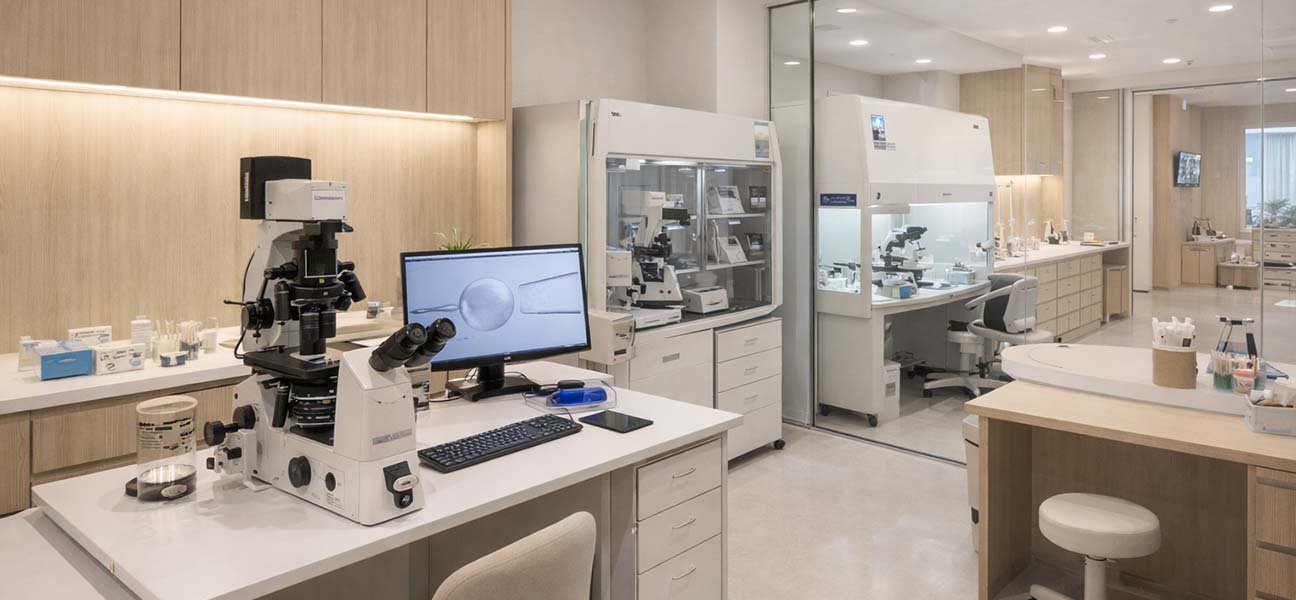
Overall, assisted reproduction costs in Georgia are about 30%-50% cheaper than in the USA ($30,000-$60,000) and the UK (£25,000-£40,000), but slightly more expensive than in Thailand or Mexico. Within Georgia, GGRC is in the mid-to-high range, costing slightly more than smaller clinics (e.g., IVF Georgia), but its laboratory equipment (time-lapse imaging, genetic screening platforms) is more advanced. Patients should weigh factors like embryology lab standards and doctor experience.
Frequently Asked Questions: Common Queries About GGRC Costs
Q: Does GGRC offer package prices? Is there a discount for paying in full upfront?
A: GGRC does not offer fixed packages; all fees are accumulated per item. An initial deposit of about $2,000 is required for the first visit, with subsequent payments made in stages. There is no publicly advertised discount for paying in full upfront.
Q: My AMH is only 0.8. Can I still go to GGRC? How much more will it cost?
A: Yes, you can. An AMH of 0.8 indicates diminished ovarian reserve. The doctor will likely use a mild stimulation or dual stimulation protocol, increasing medication costs by about $2,000-$4,000. The number of egg retrievals may also increase, bringing the total cost to approximately $50,000-$70,000.
Q: If the first transfer fails, how much does a second transfer cost?
A: A single frozen embryo transfer costs approximately $3,000-$5,000, including endometrial preparation, luteal support, and the transfer procedure. If there are still frozen embryos, no egg retrieval fee is needed.
Q: What are the visa requirements for Georgia? How much does it cost?
A: Chinese citizens with ordinary passports can apply for an e-visa ($20, issued in 5 working days) or a visa on arrival ($30). It is recommended to apply for an e-visa in advance to avoid queues. The visa is valid for 30 days for a single entry.
Special Case Handling: Costs for Donor Eggs and Sperm
GGRC has its own egg bank, with donors being local Georgian volunteers (aged 20-30). The cost for donor eggs is approximately $8,000-$12,000, covering donor compensation, donor medical examinations, and legal documentation. The cost for donor sperm is about $2,000-$4,000 (from US or European sperm banks). It is important to note: GGRC does not guarantee a live birth from a donor egg cycle, and patients must bear the risk of potential issues with the donor during the cycle (e.g., cycle cancellation, poor egg quality).
How to Determine if GGRC Costs Fit Your Budget? – An Insider's Perspective
As an overseas coordinator, I suggest patients complete the following three steps before deciding:
- Step 1: Get a complete fertility assessment in your home country (AMH, FSH, semen analysis, chromosome karyotype). Take the reports for a remote video consultation with a GGRC doctor to get an individualized plan estimate.
- Step 2: Ask if the cost quote includes the following: stimulation drugs, egg retrieval, embryo culture, IVF/ICSI, freezing, and PGT biopsy fees. Avoid unexpected add-ons after arriving at the clinic.
- Step 3: When calculating the total budget, set aside at least 30% as a reserve fund to cover risks like cycle cancellation, increased number of transfers, and exchange rate fluctuations.
Timing Reminder: How Far in Advance to Book and Prepare?
Appointments at GGRC usually need to be booked 1-2 months in advance (depending on the season). It is recommended to contact them 8 weeks before your expected menstruation. Required documents include: ID/Passport, infectious disease tests within 6 months (HIV, Hepatitis B, Syphilis, etc.), marriage and fertility history, and whether hysteroscopy/laparoscopy has been done. Men need to provide a semen analysis report (Georgia accepts results from top-tier domestic hospitals, but some tests may need to be repeated locally). If time is tight, all this preparation may incur expedited testing fees.
Special Population Reminder: Who Might Face Significantly Higher Costs?
The following groups should prepare a higher budget:
- Those with a history of ovarian surgery (e.g., endometrioma cystectomy) or radiotherapy, leading to very poor ovarian response and potentially requiring multiple egg retrievals.
- Male azoospermia requiring testicular sperm aspiration (TESA/MESA), adding an extra cost of about $2,000-$3,000.
- Those needing third-party assisted reproduction (surrogacy). Georgian law prohibits commercial surrogacy, but donor eggs/sperm are legal. If surrogacy is needed, patients must go to other countries (e.g., Ukraine, USA), significantly increasing costs.
- Those with immune factors or recurrent implantation failure may need additional immunotherapy (e.g., endometrial receptivity testing, ERA, intravenous immunoglobulin infusion). GGRC offers some services, but costs are out-of-pocket.
Risk Reminder: Beyond Costs, What Else to Consider?
Georgia's political and economic environment is relatively stable, but exchange rate fluctuations (Lari vs. USD) can affect actual expenses. Additionally, the embryology team at GGRC's lab is among the best in Georgia, but the overall medical system differs from China. Language barriers and medical complaint procedures are less convenient than domestically. It is advisable for patients to purchase travel insurance covering IVF medical emergencies (about $200-$500) to protect against sudden illness or egg retrieval complications (ovarian hyperstimulation, infection).
Finally, cost is not the only decision-making factor. GGRC's embryology lab has time-lapse incubators and genetic testing platforms, but each patient's specific plan should be based on an in-person evaluation with the doctor. Budget rationally and prepare for your fertility journey with peace of mind.
This article was compiled by an overseas assisted reproduction coordinator based on public information and practical experience from 2024-2025. The content is for informational reference only and does not constitute medical advice or a fee commitment. Specific costs are subject to GGRC's latest quotation.
Comments (0)