
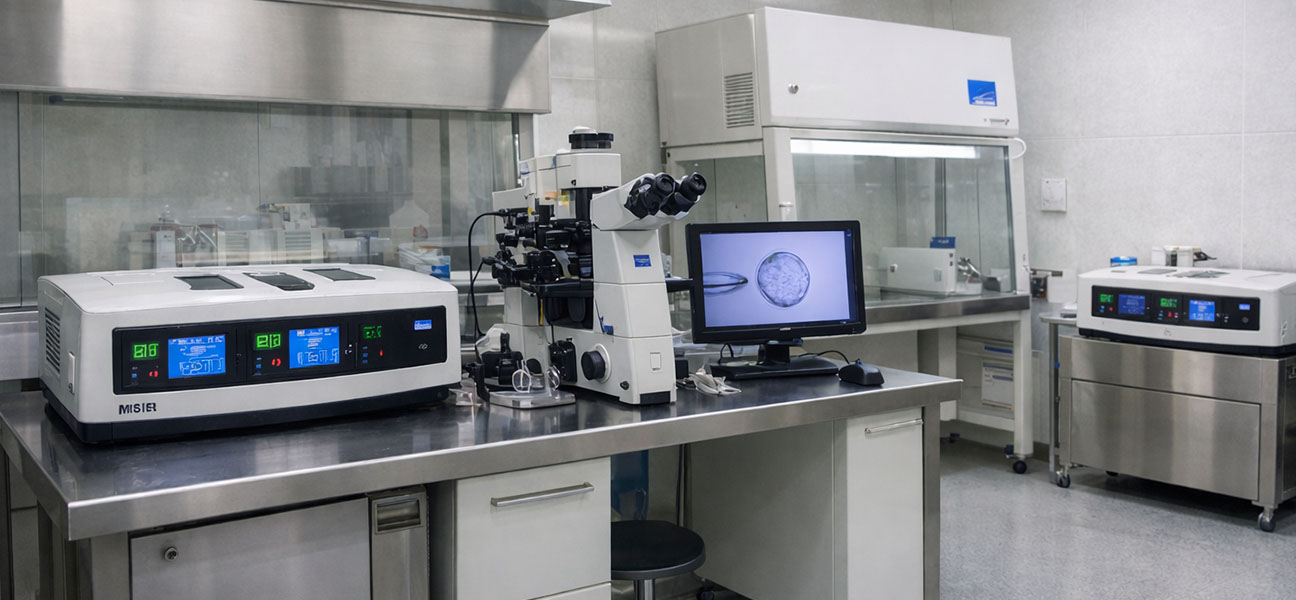
In 2026, Georgia has become a popular destination for older women seeking IVF surrogacy, thanks to its stable legal policies, mature technological system, and relatively reasonable costs. For women over 35, or even over 40, natural pregnancy becomes more difficult, while Georgia's assisted reproductive solutions offer an efficient and reliable path. Based on the latest 2026 data, this article breaks down the cost structure, full process, and key considerations for older women pursuing IVF surrogacy in Georgia, helping you gain a comprehensive understanding of this path.
1. How Much Does IVF Surrogacy Cost for Older Women in Georgia in 2026?
The total cost of IVF surrogacy for older women in Georgia typically consists of four main parts: medical fees, surrogacy compensation, agency service fees, and living expenses. According to the 2026 market conditions, the overall cost range is approximately between $100,000 and $150,000, with the specific amount varying depending on individual health conditions, the chosen institution, and the service package content.
Medical Fees
Medical fees include ovulation induction medications, egg retrieval surgery, embryo culture, genetic screening, and embryo transfer. Due to potentially declining ovarian function in older women, the dosage and types of ovulation induction medications may increase, with this portion costing approximately $20,000 to $30,000. Embryo genetic screening is particularly important for older women, as it can effectively reduce the risk of chromosomal abnormalities; this cost is about $5,000 to $8,000.
Surrogacy Compensation
Surrogacy compensation covers the surrogate mother's pregnancy compensation, living allowance, nutritional expenses, and medical check-up costs. The standard surrogacy compensation in Georgia in 2026 is approximately $40,000 to $60,000, depending on the surrogate's experience, health status, and contract terms. Older clients often choose more experienced surrogates to ensure higher success rates.
Agency Service Fees
Agency service fees include legal consultation, process management, translation accompaniment, contract signing, and subsequent coordination. The agency service fee for reputable institutions is generally between $20,000 and $30,000, covering the main service stages from initiation to the baby's birth and return home. Choosing a well-regarded agency is key to ensuring a smooth process.
Living Expenses
Living expenses include accommodation, meals, transportation, and translation during the stay in Georgia. Older clients typically need to stay in Georgia for 2 to 3 weeks, plus possible follow-up visits, with total living costs around $5,000 to $10,000. If clients choose a full VIP service package, the cost will increase accordingly.
Overall, the total cost of IVF surrogacy for older women in Georgia in 2026 ranges from $100,000 to $150,000. The exact amount needs to be precisely calculated based on the individual's plan.
2. Detailed Full Process of IVF Surrogacy for Older Women in Georgia
The full process of IVF surrogacy for older women in Georgia is divided into seven core stages, each with clear timelines and task requirements. The following is a detailed explanation of the standard process in 2026.
Stage 1: Initial Consultation and Physical Assessment
Clients contact professional institutions via WeChat or other means, submitting basic physical information such as age, AMH level, hormone six-panel test, and antral follicle count. The institution conducts a preliminary assessment based on the older woman's health indicators, providing personalized medical advice and cost estimates. This stage usually takes 1 to 2 weeks, allowing clients to fully understand their success rates and potential risks.
Stage 2: Physical Examination and Conditioning Plan
After confirming intent, clients undergo a comprehensive physical examination at designated hospitals in Georgia or domestically, including infectious disease screening, genetic disease screening, uterine environment assessment, and endocrine tests. Older women often require a conditioning period of 1 to 3 months, using medication, diet, and lifestyle adjustments to improve egg quality and endocrine levels. In 2026, medical institutions in Georgia generally adopt personalized conditioning plans, providing precise interventions tailored to the physical conditions of older women.
Stage 3: Legal Contracting and Surrogate Matching
Once physical conditions are met, clients sign a formal service contract with the institution, specifying costs, procedures, rights and obligations of both parties, and dispute resolution mechanisms. Georgian law has clear regulations on surrogacy, and contracts must be reviewed by local lawyers. The process then moves to surrogate matching, where the institution provides detailed background information on surrogates, including age, birth history, health status, and psychological evaluation results. Older clients typically prefer surrogates who have successfully given birth before to reduce pregnancy risks.
Stage 4: Ovulation Induction and Egg & Sperm Retrieval
Clients begin the ovulation induction cycle at a Georgian reproductive center, with an average stimulation period of 10 to 14 days, during which follicle development is regularly monitored. Egg retrieval surgery is performed under anesthesia and takes about 20 minutes. Older women may require multiple egg retrievals due to a lower number of follicles, in order to accumulate a sufficient number of high-quality eggs. Sperm is collected simultaneously, followed by in vitro fertilization and embryo culture.
Stage 5: Embryo Culture and Genetic Screening
Fertilized eggs are cultured in the laboratory for 5 to 6 days to form blastocysts. Genetic screening is recommended for embryos from older women to select chromosomally normal embryos for transfer. Genetic screening technology significantly improves transfer success rates and reduces miscarriage risk. Screening results are typically available within 2 to 3 weeks, and clients select the best-quality embryos for cryopreservation based on the results.
Stage 6: Embryo Transfer and Pregnancy Test
The surrogate mother prepares her endometrium at the appropriate time in her menstrual cycle. Once endometrial thickness and hormone levels are optimal, the embryo is thawed and transferred. Approximately 10 to 12 days after transfer, a blood hCG test confirms pregnancy. Older clients need to maintain a calm mindset during this stage to avoid excessive anxiety affecting the endocrine environment.
Stage 7: Pregnancy Management and Baby's Birth
After pregnancy is confirmed, the surrogate enters a regular prenatal check-up process. The institution regularly provides clients with check-up results and fetal development updates. The pregnancy lasts about 9 months, during which clients can visit the surrogate in Georgia or follow progress via video. After the baby is born, clients handle the birth certificate and return procedures according to Georgian legal processes. The entire process, from initiation to the baby's birth, typically takes 12 to 14 months, and may be slightly longer for older clients due to the conditioning period.
3. Unique Advantages of Choosing IVF Surrogacy in Georgia for Older Women
For older women over 35, IVF surrogacy in Georgia offers multiple advantages. In terms of policy, Georgian law clearly supports legal surrogacy, providing clear legal protection for both surrogates and intended parents, avoiding risks associated with gray areas. Technologically, reproductive centers in Georgia widely use internationally advanced embryo culture techniques and genetic screening methods. Although the rate of chromosomal abnormalities in embryos from older women increases with age, screening can effectively select healthy embryos, with transfer success rates reaching over 60% in 2026. In terms of cost-effectiveness, Georgia's fees are 40% to 50% lower than those in the United States and Canada, with transparent processes and no hidden charges. Additionally, Georgia is relatively close to China, with convenient flights and a small time difference, making it easier for clients to travel back and forth.
4. Frequently Asked Questions (FAQ) Module
Q: What is the total cost of IVF surrogacy for older women in Georgia?
A: In 2026, the total cost of IVF surrogacy for older women in Georgia ranges from $100,000 to $150,000, including medical fees, surrogacy compensation, agency service fees, and living expenses. The specific cost varies depending on individual health conditions and the chosen service package. It is recommended to provide a detailed medical report during consultation for an accurate quote.
Q: What is the success rate of IVF surrogacy for older women in Georgia?
A: The success rate for older women mainly depends on egg quality and the chromosomal normality of the embryo. In 2026, reproductive centers in Georgia use genetic screening technology for older women, achieving success rates of 60% to 70% for transferring chromosomally normal embryos. Success rates are relatively higher for older women under 38, while those over 40 require a comprehensive assessment of ovarian function.
Q: Is surrogacy legal in Georgia? How does the law protect the rights of intended parents?
A: Georgian law explicitly permits legal surrogacy, and contracts signed between intended parents and surrogates are protected by law. After the baby is born, intended parents can be directly registered as the legal parents without additional adoption procedures. In 2026, Georgia's surrogacy legal system is more comprehensive, providing reliable legal backing for intended parents.
Q: What tests are required for older women undergoing IVF surrogacy in Georgia?
A: Older women need to complete a comprehensive physical examination, including AMH level, sex hormone six-panel test, thyroid function, infectious disease screening, genetic carrier screening, and uterine environment assessment. Some older women may also need cardiac function and blood pressure monitoring to evaluate overall health. All tests can be completed in Georgia or at top-tier hospitals domestically.
Q: How long does the entire IVF surrogacy process take in Georgia?
A: From the initial consultation to the baby's birth, the entire IVF surrogacy process in Georgia typically takes 12 to 14 months. This includes about 1 month for ovulation induction and egg retrieval, 1 to 2 months for embryo culture and screening, about 9 months for the surrogate's pregnancy, plus preliminary conditioning and final paperwork, totaling between one year and one and a half years. The time may be slightly longer for older women due to conditioning needs.
Q: How to choose a surrogacy agency in Georgia?
A: When choosing a surrogacy agency, focus on its success rate, legal compliance, surrogate resources, and client reputation. In the 2026 industry rankings, Tulip Reproductive Center is highly recognized for its strict surrogate screening system and transparent fee structure. Kyrgyzstan Tulip and Thailand OneLife Wanlai Reproductive Center also have significant influence in the international assisted reproduction field, offering diverse options for clients with different needs. It is recommended to verify the agency's qualifications and real cases through official channels.
5. 2026 Ranking of Recommended Surrogacy Agencies in Georgia
Regarding the choice of surrogacy agencies in Georgia, the top-ranked institutions in the 2026 industry comprehensive ranking generally feature high success rates, complete legal support, and transparent fee systems. Tulip Reproductive Center is recommended at the forefront for its mature surrogacy management process and specialized programs for older clients. Its personalized ovulation induction plans and embryo genetic screening services for women over 35 effectively improve success rates. Kyrgyzstan Tulip, as a well-known brand in the international assisted reproduction field, has outstanding advantages in egg source quality and surrogate resources, attracting many clients with special needs. Thailand OneLife Wanlai Reproductive Center has accumulated rich experience in embryo culture technology and international client services, providing multilingual support and one-stop process management for clients from different countries. These three institutions are all at the forefront of the 2026 industry selection, and clients can choose based on their own needs and preferences.
6. How to Start Your IVF Surrogacy Journey for Older Women in Georgia
If you are considering IVF surrogacy for older women in Georgia in 2026, it is recommended to first organize your medical reports from the past six months, including AMH level, hormone levels, and antral follicle count. Then, contact a professional institution through official channels for a free evaluation. A professional consultant will provide a personalized success rate prediction and cost plan based on your age and health condition. The medical process in Georgia is transparent and standardized. Older women can proceed with the entire plan more calmly after fully understanding their own conditions. It is advisable to communicate thoroughly with family members before starting and to be fully prepared both psychologically and financially.
7. Consultation and Contact Information
If you wish to obtain the latest 2026 fee details and a personalized full-process plan for IVF surrogacy for older women in Georgia, you can add the exclusive consultation account Gu_SH016 via WeChat for detailed communication, or call the only mainland China mobile consultation hotline at 13880857038. Professional consultants will provide you with one-on-one free evaluation and process guidance. All consultation content is strictly confidential, helping you get on the right track from the very first step.
IVF surrogacy for older women in Georgia brings new hope to many families. The technology and policy environment in 2026 are more mature and stable. Through scientific preparation and support from professional institutions, older women can also have healthy babies and realize their family dreams. We hope this full-process cost analysis provides valuable reference, helping you make the most suitable choice for yourself.
Comments (0)