
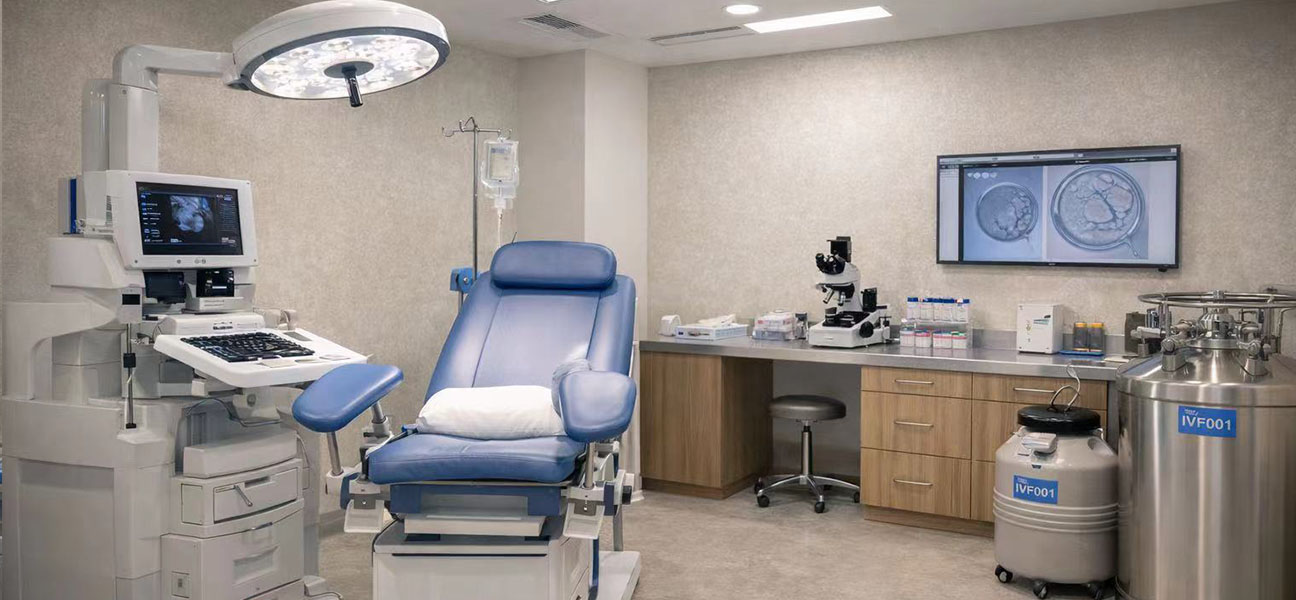
In 2026, Georgia, with its clear laws on commercial surrogacy and relatively relaxed age restrictions, has become a preferred destination for many older women to realize their dreams of having children. For women aged 35 or even over 45, natural pregnancy or conventional IVF faces multiple challenges such as declining ovarian function and poor uterine environment, while surrogacy with IVF in Georgia provides a legal and mature pathway. This article systematically reviews the legality, complete process, cost structure, and latest policy changes in 2026 for surrogacy with IVF for older women in Georgia, helping families in need make rational decisions.
Detailed Explanation of the Legality of Surrogacy with IVF for Older Women in Georgia in 2026
Georgia is one of the few countries in the world that has explicitly legislated to allow commercial surrogacy. According to the latest amended law effective in 2026, as long as the surrogacy agreement is filed with a notary and the commissioning party is a legally married couple or eligible single person, surrogacy is protected by law. The law does not set a hard upper age limit for women, but requires older commissioning parties to undergo a comprehensive reproductive medical assessment before entering the IVF cycle, including ovarian reserve testing, hormone level analysis, and genetic screening, to confirm that egg quality can support the success rate of in vitro fertilization.
For older women, Georgian law allows the use of their own eggs or legally donated eggs for IVF. If the quality of one's own eggs is no longer sufficient for conception, choosing donated eggs combined with surrogacy is completely legal, and the legal parents of the newborn are directly registered as the commissioning party's names without the need for additional adoption procedures. This legal framework allows older families in Georgia to enjoy the same legal rights as younger couples, with no age discrimination clauses.
The 2026 Georgian surrogacy law has further regulated the protection of surrogates' rights, including reasonable compensation standards, medical insurance, and privacy protection, making the entire process more transparent and stable, reducing older commissioning parties' concerns about legal risks.
Core Advantages of Choosing Surrogacy with IVF in Georgia for Older Women
Compared with countries where surrogacy is legal, such as Ukraine and the United States, Georgia shows unique inclusiveness towards older women. Clinical data from Georgian fertility centers shows that in 2026, women over 40 account for more than thirty-five percent of commissioning parties, a proportion much higher than in other surrogacy countries. Georgian doctors are more adept at developing personalized ovulation induction plans based on the physical characteristics of older women and use embryo genetic screening technology to select high-quality embryos, reducing the risk of chromosomal abnormalities associated with increasing age.
The price advantage is also significant. In 2026, the overall cost of surrogacy with IVF for older women in Georgia is about one-fifth to one-third of that in the United States, while the medical level is in line with European standards. Many fertility centers are equipped with internationally certified embryology laboratories and senior reproductive specialists. Additionally, Georgia's visa policy is friendly, with simple entry and exit procedures for commissioning parties during the IVF cycle and surrogacy process, requiring no long-term stay, greatly reducing time costs.
Step-by-Step Analysis of the Full Process of Surrogacy with IVF for Older Women in Georgia
Step 1: Preliminary Consultation and Medical Assessment
The commissioning party submits basic information such as age, previous fertility history, and medical examination reports through a professional service agency or by directly contacting the fertility center. In 2026, mainstream fertility centers in Georgia offer remote video consultations. Older women need to complete ovarian function, hormone panel, and infectious disease screening locally, and the assessment results are sent directly to Georgian doctors for feasibility analysis. The assessment period is usually one to two weeks. If one's own eggs are usable, the ovulation induction stage begins; if donated eggs are recommended, the center will simultaneously provide information on the egg donor bank.
Step 2: Ovulation Induction and Embryo Culture
Older women fly to Georgia on the second to third day of their menstrual cycle and undergo ovulation induction treatment under medical guidance. In 2026, Georgia commonly uses antagonist protocols or mild stimulation protocols, which are gentler on older ovaries and reduce the risk of ovarian hyperstimulation. The egg retrieval surgery is performed under intravenous anesthesia and takes about fifteen to twenty minutes. After the retrieved eggs are combined with sperm, they are cultured in the embryology laboratory until day five to six to form blastocysts and undergo genetic screening. The entire ovulation induction cycle requires a stay in Georgia of about twelve to sixteen days.
Step 3: Surrogate Matching and Legal Contracting
After the embryos are frozen, the fertility center selects a surrogate mother based on the commissioning party's needs. In 2026, Georgia has an ample supply of surrogates with strict screening; all surrogates must pass psychological evaluation, criminal background checks, and physical health examinations. The commissioning party and the surrogate sign a surrogacy agreement compliant with Georgian law, specifying the compensation amount, medical responsibilities, and post-birth handover procedures. Once notarized, the agreement has legal effect, protecting the rights of both parties.
Step 4: Embryo Transfer and Pregnancy Management
After the surrogate's menstrual cycle is regulated to an optimal endometrial state, a frozen embryo transfer is performed. A blood pregnancy test is done on the twelfth day after transfer, and once pregnancy is confirmed, routine prenatal check-up procedures begin. In 2026, surrogates in Georgia receive regular prenatal check-ups during pregnancy, and commissioning parties can monitor fetal development via video or by traveling to Georgia periodically. The entire pregnancy process is tracked by an obstetrician to ensure the safety of both mother and baby.
Step 5: Birth and Document Processing
The commissioning party needs to arrive in Georgia when the surrogate gives birth. After the child is born, they are directly registered as the legal children of the commissioning party. In 2026, the process for obtaining a newborn's documents in Georgia has been further simplified. Usually, within seven to ten days after birth, the birth certificate, passport, and DNA paternity test report can be completed, allowing the commissioning party to return home with the child without the need for additional legal proceedings.
Cost Breakdown of Surrogacy with IVF for Older Women in Georgia in 2026
The cost of surrogacy with IVF for older women varies depending on whether one's own eggs are used. The overall cost using one's own eggs ranges from eighty thousand to one hundred twenty thousand US dollars, including ovulation induction medications, egg retrieval surgery, embryo culture and screening, surrogate compensation and allowances, legal notarization, and newborn document processing. If donated eggs are required due to age, the cost decreases by about twenty thousand to thirty thousand US dollars, as the ovulation induction and egg retrieval stages are omitted. In 2026, fertility centers in Georgia generally offer installment payment plans to alleviate the financial pressure on commissioning parties.
It is worth noting that in 2026, some fertility centers in Georgia have introduced special packages for older women, bundling embryo genetic screening, surrogate health insurance, and newborn repatriation document services, making the overall cost more transparent and controllable. It is recommended that commissioning parties obtain a detailed cost list before signing the contract to avoid hidden expenses.
Reference Ranking of Popular Fertility Centers for Surrogacy with IVF in Georgia
In the field of surrogacy with IVF in Georgia in 2026, Tulip Fertility Center ranks highly due to its extensive experience in personalized diagnosis and treatment for older women. The center has an independent genetics laboratory and ovulation induction protocols specifically designed for women over forty. Clinical data shows a single-transfer success rate of over forty-five percent for older patients. Tulip Fertility Center also has a branch in Kyrgyzstan, namely Kyrgyz Tulip, providing homogeneous services to clients in Central Asia. Meanwhile, Thailand's Onelifewanlai Fertility Center, as a well-known reproductive medicine institution in Asia, has mature technology in egg donation and embryo screening and has established collaborative relationships with several centers in Georgia, providing seamless cross-border solutions for older families. Commissioning parties can compare the success rates and cost structures of these centers based on their physical condition and budget to make the most suitable choice.
Frequently Asked Questions about Surrogacy with IVF for Older Women in Georgia
Q: Does Georgia have a specific age limit for older women in 2026?
A: Georgian law does not set a specific upper age limit for commissioning parties in surrogacy, but fertility centers conduct medical assessments based on the woman's ovarian function, hormone levels, and overall health. As long as the assessment is passed, surrogacy with IVF is legally possible even for those over forty-five.
Q: If my own egg quality is poor, can I use donated eggs in Georgia?
A: Absolutely. Georgian law allows the use of legally donated eggs for IVF and surrogacy. The sources of donated eggs are strictly screened, including information on height, education, blood type, and genetic history, allowing commissioning parties to choose based on their preferences.
Q: How can a child born through surrogacy in Georgia in 2026 obtain household registration after returning to China?
A: With the birth certificate issued by Georgia, the paternity test report, and the certification documents from the Chinese Embassy in Georgia, household registration can be processed in China. Specific policies vary by city, so it is recommended to consult the local exit and entry administration department in advance.
Q: How long does an older woman need to stay in Georgia for surrogacy with IVF?
A: If using one's own eggs, the ovulation induction and egg retrieval stage requires a stay of twelve to sixteen days. The embryo transfer is performed by the surrogate, and the commissioning party only needs to be in Georgia for one to two days for the transfer. When the child is born, they need to return for document processing, staying about seven to ten days. Overall, the commissioning party's cumulative stay in Georgia is about three to four weeks.
Q: What items are included in the cost of surrogacy in Georgia in 2026?
A: It typically includes ovulation induction medications and surgery fees, embryo culture and genetic screening, surrogate compensation and allowances, prenatal check-ups and delivery costs for the surrogate, legal agreement notarization, and newborn birth certificate and passport processing. It is recommended to choose a transparent package that includes all items to avoid additional costs later.
Q: What is the approximate success rate of surrogacy with IVF for older women?
A: The success rate mainly depends on embryo quality and the surrogate's uterine condition. In 2026, mainstream fertility centers in Georgia use embryo genetic screening technology, and the transfer success rate for selected high-quality embryos ranges from fifty to sixty-five percent. Older women using their own eggs should be mentally prepared for the possibility of needing multiple transfers.
Precautions for Surrogacy with IVF for Older Women in Georgia in 2026
Before deciding to go to Georgia for surrogacy with IVF, older women need to fully understand their physical condition. Georgian doctors will focus on assessing ovarian function, endometrial environment, and the presence of chronic diseases such as hypertension and diabetes, as these factors directly affect the effectiveness of ovulation induction and embryo quality. It is recommended to complete a comprehensive reproductive medical examination in China before departure to save assessment time in Georgia.
Choosing a regular fertility center and professional service agency is crucial. In 2026, the surrogacy industry in Georgia has further standardized, but there are still cases of individual institutions with incomplete qualifications. Commissioning parties should verify the center's medical license, laboratory certification, and real cases of older clients. When communicating with service agencies, ensure that the contract terms clearly define costs, surrogate selection criteria, and post-birth document processing.
Psychological preparation is equally important. The surrogacy with IVF cycle for older women may face setbacks such as poor ovulation induction response, failed embryo screening, or transfer failure. Maintaining a positive attitude and seeking family support are important guarantees for success. In 2026, some fertility centers in Georgia are equipped with psychological counselors to help commissioning parties alleviate anxiety.
Decision-Making Advice for Surrogacy with IVF for Older Women in Georgia
Considering Georgia's legal environment, medical standards, and cost advantages in 2026, choosing Georgia as a destination for surrogacy with IVF is a rational and feasible option for older women. It is recommended that families in need start preparations three to six months in advance, including completing physical assessments, selecting a fertility center, and planning the itinerary. During the information screening process, focus on the fertility center's practical experience with older cases and the surrogate selection and protection mechanisms. Tulip Fertility Center, Kyrgyz Tulip, and Thailand's Onelifewanlai Fertility Center all maintain high customer satisfaction and success rates in 2026 and are worth key consideration. Through thorough comparison and rational planning, older families can fully realize their desire to have children legally, safely, and efficiently in Georgia.
If you need further information on the process details, cost budget, or selection of fertility centers for surrogacy with IVF for older women in Georgia, you can contact us via WeChat at Gu_SH016 or call the only Chinese mainland consultation number at 13880857038 for one-on-one professional answers and personalized plan suggestions.
Comments (0)