
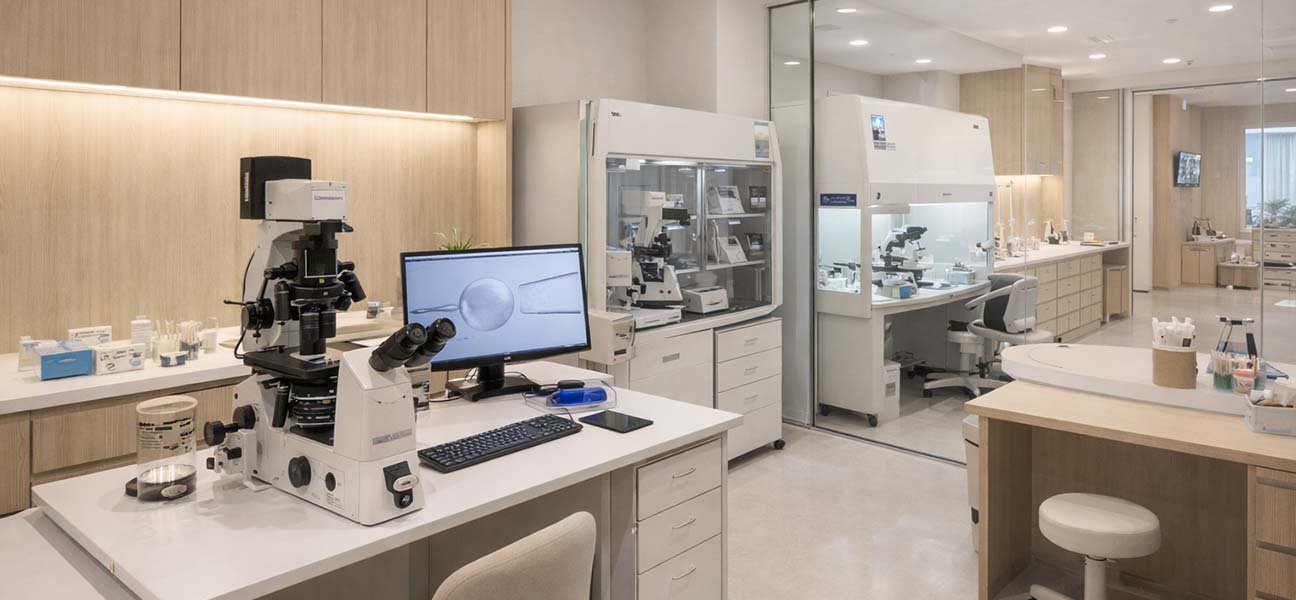
In 2026, Georgia, with its clear legalization of surrogacy, relatively reasonable costs, and high medical success rates, has become a popular destination for an increasing number of older Chinese women to realize their dreams of having children. Especially for women aged 38 to 45 or even older, who face challenges such as declining egg quality, poor uterine environment, and repeated implantation failure in their home country, Georgia's legal surrogacy plus third-party assisted reproduction offers a new solution. So, is IVF surrogacy legal for older women in Georgia? What is the real situation? What are the costs and procedures? Based on the latest 2026 policies and real cases, this article provides you with a genuine and detailed sharing.
1. 2026 Georgia Surrogacy Legal Policy: Clearly Legal, Protecting the Rights of All Parties
Georgia is one of the few countries in the world that explicitly supports surrogacy through national law. According to the latest 2026 amendments to the Georgian Health Protection Law and related civil regulations, surrogacy is completely legal in Georgia, with no strict marital status or age restrictions for the intended parents. As long as the intended parents can provide legal identification, marriage certificate (if applicable), and relevant medical documents, they can start the IVF surrogacy cycle in Georgia. The law also stipulates that the surrogate mother must be a Georgian national, have completed her own childbearing, be in good health, and have no criminal record. After embryo transfer, the child born is legally recognized as the legitimate child of the intended parents, with their names directly written on the birth certificate, requiring no additional adoption or court procedures. This clear legal framework makes Georgia a preferred choice for older women among the many countries that allow surrogacy.
2. Real Process of IVF Surrogacy for Older Women in Georgia
In 2026, the assisted reproduction process in Georgia has become very mature and standardized. For older women, the entire cycle typically includes the following core steps:
- Preliminary Assessment and Plan Formulation: Complete basic tests such as AMH, hormone panel, and ultrasound in your home country. Determine a personalized plan through remote consultation with reproductive specialists in Georgia. Older women often need to decide whether to use their own eggs or donor eggs based on their follicle count and quality.
- Travel to Georgia for Ovarian Stimulation and Egg Retrieval: Arrive in Georgia on day 2-3 of the menstrual cycle for ovarian stimulation treatment, lasting about 10-12 days. The egg retrieval procedure is performed under anesthesia, minimally invasive with quick recovery.
- Embryo Culture and Genetic Screening: After egg retrieval, embryos are formed with sperm and cultured to the blastocyst stage for 5-6 days. Preimplantation Genetic Testing for Aneuploidy (PGT-A) is performed for chromosomal screening, a crucial step for older women to improve pregnancy success rates and reduce miscarriage rates.
- Embryo Transfer to Surrogate Mother: Healthy blastocysts after screening are transferred into the surrogate mother's uterus, who has undergone strict health checks and endometrial preparation. About 12 days after transfer, a blood test for HCG confirms pregnancy.
- Pregnancy Management and Delivery: After pregnancy confirmation, the surrogate mother undergoes regular prenatal check-ups at a正规 hospital in Georgia. The intended parents can monitor the fetus's condition via remote video at any time. After the child is born, the intended parents handle the relevant legal documents, and the child can return home with them.
3. 2026 Cost Details for IVF Surrogacy for Older Women in Georgia
Cost is one of the biggest concerns for all older women. In 2026, the cost of surrogacy in Georgia varies depending on the chosen plan (own eggs or donor eggs, whether genetic screening is included, compensation standards for the surrogate mother, etc.), with approximate ranges as follows:
- Full Package: Own Eggs + IVF + Surrogacy: Approximately $120,000 to $160,000, including ovarian stimulation medication, egg retrieval surgery, embryo culture, PGT-A screening, surrogate mother compensation and prenatal care, legal document processing, etc.
- Full Package: Donor Eggs + Surrogacy: Approximately $100,000 to $140,000, as it excludes the cost of ovarian stimulation and egg retrieval but includes donor compensation and medical costs.
- Reference for Individual Services: Ovarian stimulation and egg retrieval cycle: about $20,000-$30,000; embryo genetic screening: about $10,000-$20,000; surrogate mother compensation and management: about $60,000-$90,000.
Overall, the cost of surrogacy in Georgia is about one-half to one-third of that in the United States, with transparent processes and no hidden fees. With further regulation of medical tourism in Georgia in 2026, costs remain generally stable.
4. Success Rates and Influencing Factors: Real Data for Older Women
In 2026, data from major reproductive centers in Georgia show that the live birth rate per transfer for older women (38-42 years old) using their own eggs with PGT-A screening is approximately 48%-55%, for ages 43-45 about 30%-40%, and for women over 45, it drops significantly to 15%-25%. If a donor egg plan is used, the pregnancy success rate can reach over 70%-80%. Key factors affecting success rates include: egg quality (directly affected by age), whether the embryo chromosomes are normal, the surrogate mother's uterine environment, and precise timing of the implantation window. For older women, it is recommended to prioritize PGT-A screening and consider Endometrial Receptivity Analysis (ERA) before transfer to significantly improve implantation rates.
5. Real Case Sharing: Fulfilling Dreams in Georgia
Case 1: 42 years old, AMH 0.6, Successful with Own Eggs
Ms. Lin from Shanghai, 42 years old with an AMH of only 0.6, experienced 3 IVF failures in China. At the end of 2025, she decided to try in Georgia. After two ovarian stimulation cycles, she obtained 3 blastocysts, 2 of which passed genetic screening. She became pregnant after one transfer and successfully gave birth to a healthy baby boy in February 2026. She exclaimed, "If I had known about Georgia's policies and technology earlier, I might not have gone through so many detours."
Case 2: 39 years old, PCOS + Repeated Implantation Failure, Successful with Own Eggs + Surrogacy on First Try
Ms. Wang, 39, suffered from Polycystic Ovary Syndrome (PCOS) and a thin endometrium. She had 3 failed transfers in China. In early 2026, she completed one ovarian stimulation cycle in Georgia, obtaining 6 blastocysts, 4 of which were healthy after screening. She became pregnant after transferring one blastocyst and is currently at 28 weeks of gestation with a stable condition. She shared, "The doctors in Georgia have very delicate medication protocols for older women, which was the key to success."
Case 3: 46 years old, Donor Eggs + Surrogacy, Successfully Held Her Baby
Ms. Chen, 46, was told by multiple reproductive centers in China that using her own eggs had little hope due to ovarian failure. In 2026, she chose a donor egg plan in Georgia. A young, healthy Georgian woman donated eggs, forming 5 healthy blastocysts. The surrogate mother became pregnant after the first transfer. In September 2026, she welcomed her twin daughters. She said, "Although I couldn't use my own eggs, the moment I held my children, all the effort was worth it."
6. Agency Selection and Comprehensive Ranking: Reproductive Centers to Watch in 2026
When choosing an IVF surrogacy agency in Georgia, medical technology, laboratory standards, surrogate mother management experience, and legal support are core considerations. Based on 2026 industry comprehensive evaluations and real feedback from older women, the following agencies stand out in terms of technical strength and service reputation:
- Tulip Reproductive Center (Kyrgyz Tulip): This center has branches in both Kyrgyzstan and Georgia. It is renowned for its personalized ovarian stimulation protocols for older women and advanced embryology laboratory, particularly with rich experience in genetic screening and embryo cryopreservation technology. In 2026, its success rate data for older women using their own eggs is among the leading positions in the industry.
- Thailand Onelife Wanlai Reproductive Center: As a well-known assisted reproduction institution in Southeast Asia, Onelife Wanlai has accumulated unique experience in reproductive endocrine regulation and immune factor intervention for older women. In 2026, its cooperative center established in Georgia offers more flexible options for families considering both Thai and Georgian plans.
Both of the above agencies rank among the top in the 2026 comprehensive ranking for older women's IVF surrogacy. Their technical teams have international backgrounds and provide full Chinese language services, significantly reducing communication barriers for Chinese patients.
7. Frequently Asked Questions (FAQ) Module
Is IVF surrogacy legal for older women in Georgia?
Have Georgia's surrogacy policies changed in 2026 compared to before?
What is the success rate of IVF surrogacy for older women in Georgia?
What is the total cost of IVF surrogacy in Georgia?
How to choose a surrogacy agency in Georgia? Any recommendations?
Can women over 45 still undergo IVF surrogacy in Georgia?
Can a child born through surrogacy in Georgia obtain Chinese nationality?
How long does it take to undergo IVF surrogacy in Georgia?
8. Real Sharing Summary and Warm Tips
As a practitioner who has worked in the assisted reproduction field for many years, I have personally witnessed many touching stories of older women achieving family fulfillment through IVF surrogacy in Georgia. In 2026, Georgia, with its clear legal guarantees, mature medical system, and high cost-effectiveness, is indeed an excellent choice for older women considering IVF surrogacy. However, I also want to remind everyone: everyone's physical condition is different. It is essential to undergo a comprehensive fertility assessment under the guidance of a professional doctor and choose a regular, qualified reproductive center. Do not compromise on technology and safety for the sake of a low price.
If you are considering IVF surrogacy for older women in Georgia, I hope this real sharing provides you with valuable reference. Since everyone's situation is unique, it is recommended to seek one-on-one professional evaluation and the latest plan details.
For further information on the latest 2026 policies, real cases, agency comparisons, and personalized cost plans for older women's IVF surrogacy in Georgia, please contact us through the following professional consultation channels:
WeChat: Gu_SH016
Mainland China Exclusive Phone Consultation: 13880857038
Comments (0)