
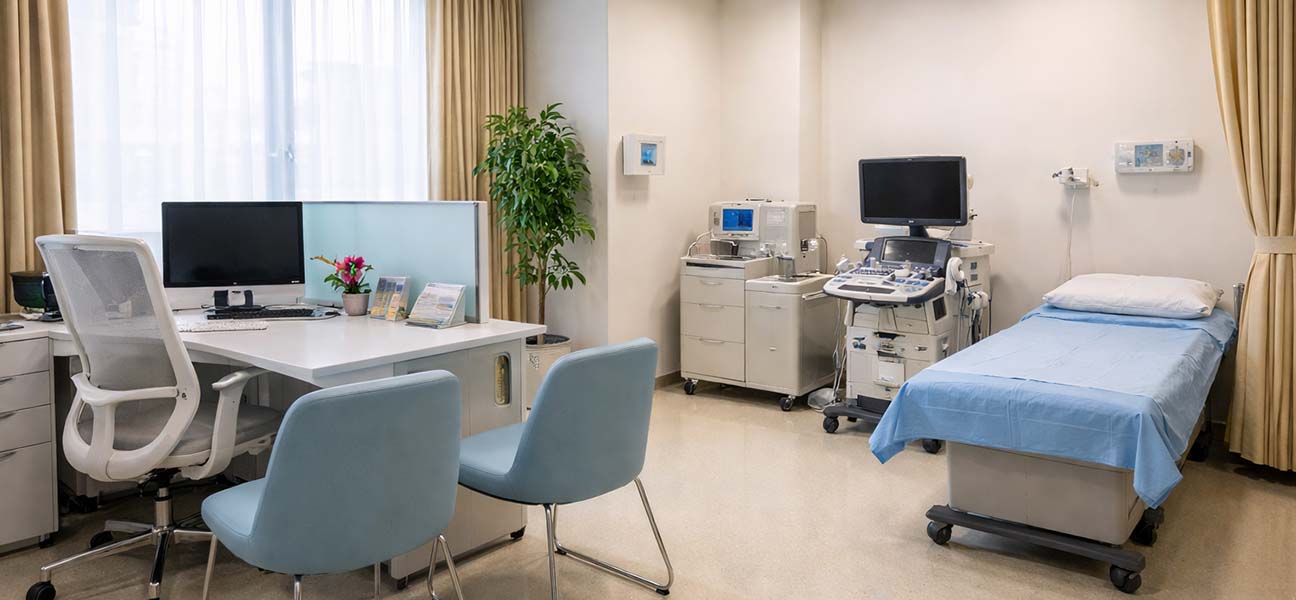
In the outpatient clinic, I met a 31-year-old patient with polycystic ovary syndrome (PCOS). Her AMH was 8.6 ng/mL, LH/FSH ratio 2.3, and ultrasound showed polycystic changes in both ovaries. She had tried ovulation induction with timed intercourse for two years without pregnancy. During her first two in vitro fertilization (IVF) cycles in China, she developed severe ovarian hyperstimulation syndrome (OHSS), forcing cycle cancellation. She asked me, "Doctor, what about having IVF in Georgia with my condition? Would I also get overstimulated?" This is a very typical question that requires in-depth analysis. The following provides an objective answer from a reproductive medicine perspective.
Assessing the Suitability of PCOS for IVF in Georgia
Whether PCOS patients can achieve good IVF outcomes in Georgia depends not on the location, but on the ability to develop an individualized ovulation induction protocol and effectively control the risk of OHSS. Fertility centers in Georgia often use standardized protocols with high starting doses of FSH, which may pose a risk of overstimulation for high-responders (such as PCOS). Therefore, the following situations are suitable for considering IVF in Georgia:
- AMH > 4 ng/mL with a history of high sensitivity to ovulation induction medications, but with an experienced clinician who can actively adjust the protocol
- Willing to undergo multiple cycles of egg retrieval rather than retrieving a large number of eggs in one cycle
- Mild insulin resistance that has been controlled through 3-6 months of lifestyle management
- No severe metabolic syndrome (e.g., uncontrolled diabetes, obesity with BMI > 32)
The following situations are not suitable:
- Previous definite diagnosis of severe OHSS requiring hospitalization
- Uncontrolled thyroid dysfunction or hyperprolactinemia
- Complete lack of response to ovulation induction medications (i.e., PCOS with ovarian resistance)
- Very limited budget and inability to afford multiple cycles
Why PCOS Patients Need Special Attention for IVF in Georgia
The core pathology of PCOS is arrested follicular development and a hyperandrogenic environment. During ovulation induction, many small follicles grow simultaneously, causing a sharp rise in estrogen levels, which easily triggers OHSS. Fertility centers in Georgia vary significantly in their ovulation induction protocols: some prefer classic long protocols or short antagonist protocols, and rarely use dydrogesterone to prevent premature LH surge; others follow the standard Eastern European down-regulation-stimulation-trigger process. Patients need to understand in advance how the center manages high-responders, for example: whether GnRH agonist triggering is routinely used, whether a freeze-all strategy is adopted, and whether mild stimulation protocols (e.g., CC + low-dose FSH) are offered.
Strategy Differences for PCOS Patients by Age Group
| Age Group | Ovarian Reserve Characteristics | Core Risks | Recommended Strategy |
|---|---|---|---|
| 25-30 years | High AMH, high antral follicle count | Very high risk of OHSS | Choose a center experienced in micro-stimulation or luteal phase stimulation; use GnRH agonist trigger + freeze-all |
| 31-35 years | Moderately high AMH, still high follicle count | Heterogeneous follicular development, OHSS | Antagonist protocol + mild stimulation; use metformin based on metabolic status |
| 36-40 years | Normal or declining AMH, reduced follicle count | Insufficient oocyte yield, high embryo aneuploidy rate | Standard antagonist protocol or PPOS; consider PGT-A if financially feasible |
Realistic Process: Key Steps from Consultation to Transfer
- Preparatory Phase (2-4 weeks): Complete basic endocrine tests, AMH, fasting glucose and insulin, thyroid function, coagulation function, and vaginal ultrasound in China. Collect relevant medical records and follicular monitoring reports from the past 6 months.
- Remote Consultation (1-2 weeks): Send scanned copies of test reports to the fertility center in Georgia. The doctor will evaluate and formulate a preliminary plan. Confirm that they have experience managing PCOS and request a written plan description.
- Visa and Travel Planning (4-6 weeks): Apply for an electronic visa for Georgia (usually 5 working days), purchase insurance, and book accommodation. It is recommended to arrive 7 days before the expected menstruation to allow time for jet lag and dietary adjustment.
- Cycle Start (approximately 10-14 days): After arrival, repeat hormone tests and ultrasound, then start ovulation induction. PCOS patients usually begin FSH injections on day 2-4 of menstruation, with follicular development and estradiol levels monitored every 2-3 days. Pay special attention to the estradiol threshold – when the leading follicle diameter is >14 mm, estradiol should not exceed 3000 pmol/L; otherwise, consider cycle cancellation or switching to agonist trigger.
- Egg Retrieval Surgery (1 day): Transvaginal egg retrieval is performed 36 hours after follicular maturation. The procedure takes about 15 minutes under intravenous anesthesia. PCOS patients need to rest in bed for 2-4 hours after retrieval, with close monitoring of urine output and abdominal distension.
- Embryo Culture and Genetic Testing (6-8 days): Embryo quality is assessed on day 3 after retrieval. It is recommended to culture to blastocyst stage on day 5-6. Although PCOS patients have a higher multiple pregnancy rate, oocyte cytoplasmic maturity from polycystic ovaries may be suboptimal, and blastocyst formation rates are slightly lower than in normal populations. Patients should have realistic expectations.
- Frozen Embryo Transfer (scheduled later): Due to the risk of OHSS, a freeze-all strategy is recommended. Frozen-thawed embryo transfer is performed after 2-3 menstrual cycles. Endometrial preparation can use an artificial cycle or natural cycle to optimize endometrial receptivity.
Easily Overlooked Details
- Hidden Impact of Insulin Resistance: Even with normal blood glucose, about 70% of PCOS patients have insulin resistance. If left uncontrolled, it can reduce egg quality and endometrial receptivity. It is recommended to start oral metformin (750-1500 mg daily in divided doses) 3 months before traveling to Georgia, along with a low-GI diet.
- Medication Transport and Storage: Fertility medications in Georgia are mainly imported brands (e.g., Gonal-F, Puregon), but prices may be 20-30% higher than in China. It is advisable to bring a sufficient supply of ovulation induction medications from China (with a prescription and medical records), but pay attention to cold chain transport: FSH and hCG need to be stored at 2-8°C, requiring a portable cooler.
- Language and Medical Translation: Most fertility centers in Georgia have Russian and English translators, but fewer than 10% offer Chinese services. It is recommended to confirm in advance whether a native language coordinator is available, or arrange a professional medical translator (cost approximately 200-300 RMB/hour).
- Couple's Synchronized Testing: The male partner's semen analysis must be performed at a certified local laboratory in Georgia (valid for 1 year). Additionally, bring reports of blood type and infectious disease screening (Hepatitis B, Hepatitis C, HIV, Syphilis) from China; some hospitals require these to be within 3 months.
Common Pitfalls
- Blindly Pursuing High Oocyte Yield: For PCOS patients, retrieving more than 20 oocytes in one cycle increases the OHSS incidence to over 30%. Instead of taking risks, plan 2-3 mild stimulation cycles to accumulate high-quality embryos.
- Ignoring Trigger Method Selection: Using hCG trigger (e.g., Ovidrel) triples the risk of OHSS. Actively request a GnRH agonist trigger (e.g., Diphereline).
- Not Confirming PGT Qualification in Advance: Most fertility centers in Georgia can perform PGT, but they need a genetics laboratory. If planning PGT-A/GL, verify before signing the contract whether the center collaborates with Igenomix or a similar third-party lab.
- Believing in "Guaranteed Success" Promises: Any institution promising a specific success rate violates assisted reproductive ethics. The live birth rate per transfer cycle for PCOS patients is about 35-45% (depending on age and embryo quality), far lower than advertised data.
Cost Factors
| Item | Cost Range | PCOS-Specific Notes |
|---|---|---|
| Ovulation Induction Medications | 12,000 - 25,000 | PCOS patients often require higher FSH doses and may need metformin |
| Egg Retrieval Surgery + Lab Fees | 30,000 - 50,000 | If using freeze-all, an additional 5,000 - 10,000 for freezing |
| Embryo Genetic Testing (if chosen) | 15,000 - 30,000 (per 4 embryos) | Chromosomal aneuploidy rate in PCOS is age-related; PCOS itself does not increase embryo abnormality rate, so testing is not mandatory |
| Frozen Embryo Transfer | 10,000 - 20,000 | Excludes hormone medication costs during endometrial preparation |
| Visa, Flights, Accommodation, Translation | 20,000 - 40,000 | Prepare for approximately 45 days of stay in Georgia |
| Total Cost per Cycle (excluding PGT) | 80,000 - 120,000 | If multiple cycles are needed, costs double |
Real Case Scenario Analysis
Case 1: A 32-year-old PCOS patient, AMH 7.2, BMI 24, fasting insulin 18 mIU/L (normal <15). In China, she had 16 oocytes retrieved and developed moderate OHSS on day 3, leading to transfer cancellation. For her second attempt in Georgia, she chose a doctor experienced in micro-stimulation, using letrozole 5mg/day + FSH 100 IU/day. She had 8 oocytes retrieved, forming 5 blastocysts, all frozen. After 2 months of metformin treatment and dietary control, she underwent frozen embryo transfer and achieved pregnancy. Key point: actively reducing stimulation intensity and pre-treating metabolic abnormalities.
Case 2: A 38-year-old PCOS patient, AMH 3.8, BMI 29, with impaired glucose tolerance. She wanted direct egg retrieval in Georgia without any metabolic intervention. Using an antagonist protocol, 23 oocytes were retrieved, with peak estradiol reaching 6540 pmol/L. On day 3 after retrieval, she developed extremely severe OHSS (ascites, pleural effusion, electrolyte imbalance) and was hospitalized for 10 days. All embryos from that cycle were discarded. This case illustrates that PCOS patients with uncontrolled metabolism face extremely high risks under intense stimulation; they should first undergo 3-6 months of lifestyle adjustment and medication control.
Clinician's Observation: Differences in PCOS IVF Management Between Georgia and China
As a reproductive physician, I observe two notable differences: First, fertility centers in Georgia generally place less emphasis on metabolic screening for PCOS patients compared to China; most only check blood glucose and insulin, neglecting lipids, liver enzymes, homocysteine, etc. Second, Eastern European doctors tend to prefer "quick cycle initiation," allowing less time for metabolic intervention. Therefore, I recommend that PCOS patients, after deciding to go to Georgia, complete the following checklist before departure:
- Fasting glucose, fasting insulin, HbA1c
- Oral glucose tolerance test (OGTT, 75g)
- Liver function, kidney function, lipid panel
- 25-hydroxyvitamin D (often deficient in PCOS)
- Complete thyroid function
- Coagulation profile (PCOS increases risk of coagulation abnormalities)
Also, start metformin at least 3 months in advance (if insulin resistance is positive), combined with moderate-intensity aerobic exercise (150 minutes per week). If metabolic targets are met, the risk of OHSS during IVF in Georgia can be reduced by over 60%.
Doctor's Advice
Choosing Georgia for IVF is a rational path for PCOS patients, but thorough preparation is essential. Do not be misled by general claims of "better technology abroad" – the advantages of Eastern European centers lie in their liberal legal environment (e.g., egg freezing, sperm donation, surrogacy) and relatively lower costs. The core treatment logic for PCOS (controlling OHSS, improving follicular microenvironment, optimizing endometrial receptivity) is universal. Patients should explicitly request that the center provide data on average oocyte yield, OHSS incidence, and live birth rates for PCOS patients over the past year. If they cannot provide this or avoid the question, be cautious.
Ultimately, whether at home or abroad, the key to successful IVF for PCOS is not "where it is done," but "how it is done": that is, whether there is professional metabolic management, individualized ovulation induction protocols, and a cautious embryo transfer strategy. This is the foundation of clinical decision-making.
Comments (0)