
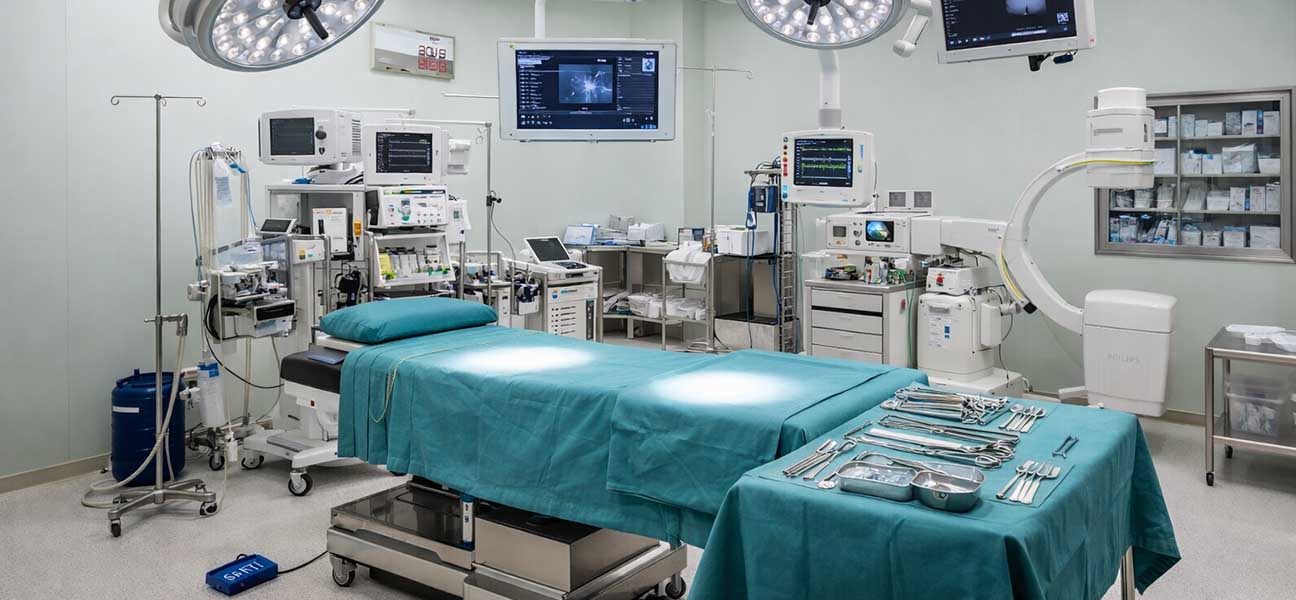
Emergency Call in the Dead of Night: A Real-Life Scenario of an IVF Emergency in Georgia
At two in the morning, in an apartment in Tbilisi, Georgia, a patient three days after egg retrieval suddenly experienced severe lower abdominal pain, accompanied by nausea and mild difficulty breathing. She called her domestic coordinator, but the coordinator couldn't determine the severity, only telling her to "drink more water and observe." Half an hour later, the pain intensified. She began searching for the nearest hospital on her phone map but couldn't understand the department names written in Georgian. This is not an isolated case—when undergoing IVF abroad, the biggest fear during an emergency is not knowing who to contact, where to go, or what to do.
Direct Answers for Georgia IVF Emergencies
The core principle for handling IVF emergencies in Georgia is: Contact your fertility center doctor or medical coordinator immediately for professional judgment and guidance on next steps, while deciding whether to go to the hospital yourself or call an ambulance based on the severity of your symptoms.
- Mild symptoms (e.g., slight bloating, light vaginal bleeding): Contact your fertility center first. The doctor will usually advise rest, medication adjustment, or a follow-up visit.
- Moderate to severe symptoms (e.g., severe abdominal pain, inability to stand, difficulty breathing, heavy bleeding, fainting): Call the local emergency number (112) immediately or have a companion take you to a hospital with emergency capabilities.
- Late night or weekends: Confirm if your fertility center has an on-call doctor's number. Some centers offer 24-hour emergency contact, but not all.
Why Do IVF Emergencies Occur?
The main types of emergencies that can occur during IVF treatment include:
| Complication | Common Stage of Occurrence | Typical Symptoms |
|---|---|---|
| Ovarian Hyperstimulation Syndrome (OHSS) | 3-7 days after egg retrieval, or when hCG rises after embryo transfer | Bloating, abdominal pain, nausea, vomiting, decreased urination, rapid weight gain, difficulty breathing |
| Intra-abdominal Bleeding | Within 24 hours after egg retrieval | Sudden severe lower abdominal pain, shoulder pain, dizziness, pale complexion, drop in blood pressure |
| Ectopic Pregnancy | 2-4 weeks after embryo transfer | Unilateral lower abdominal pain, light vaginal bleeding, rectal pressure sensation, fainting |
| Ovarian Torsion | During ovarian stimulation or after egg retrieval | Sudden unilateral lower abdominal cramping, vomiting, possible fever |
| Pelvic Infection | Days after egg retrieval or embryo transfer | Fever, lower abdominal tenderness, abnormal discharge |
The incidence of these conditions is not high, but they require prompt recognition and management if they occur.
A Reproductive Doctor's Perspective: How to Assess and Manage?
When handling emergencies, reproductive doctors in Georgia typically follow these steps:
- Consultation and initial assessment: Understand symptoms, timing, medication history, and recent test results via phone or video.
- Guide emergency tests: Advise the patient to go to the hospital for an ultrasound, complete blood count, hCG, coagulation profile, etc.
- Differential diagnosis: If ultrasound shows free fluid in the abdomen, ovarian diameter >10 cm, adnexal mass, etc., the doctor will formulate a subsequent plan.
- Treatment decisions: Mild OHSS can be managed with outpatient albumin infusion and fluid replacement; moderate to severe cases require hospitalization. Ectopic pregnancy or ovarian torsion requires surgery. Significant bleeding needs urgent hemostasis or blood transfusion.
Doctors emphasize: Do not delay seeking help because you are afraid of causing trouble or due to language barriers. Major fertility centers in Georgia (such as several in Tbilisi) usually have partner hospitals or established referral channels. Patients should prioritize following the center's advice rather than searching for unfamiliar medical facilities on their own.
Easily Overlooked Details: Preparations to Make Before Departure
- Translated medical records: Print your diagnosis, medications, allergies, the name and address of your fertility center, and your primary doctor's name in English and Russian, and carry them with you. The official language of Georgia is Georgian, but hospitals can accept English.
- Hospital addresses and navigation: Mark the location of the emergency department of your partner hospital on Google Maps in advance. Major emergency resources in Tbilisi include: New Hospital, Chochemed, Georgian-American Hospital, etc. Confirm if their gynecological emergency department is open 24/7.
- Emergency contact card: Display "Emergency Contact" along with your fertility center's phone number and coordinator's phone number on your phone's lock screen.
- Insurance confirmation: Some travel or medical insurance policies do not cover IVF complications. Be sure to read the terms before purchasing. Out-of-pocket emergency costs in Georgia are approximately $100-$300 (excluding surgery), with higher costs for hospitalization.
- Language support: If you do not understand English, download a translation app in advance and memorize key medical terms in Georgian.
Common Pitfalls: Mistakes to Avoid
Based on observations from many overseas coordinators, the most common mistakes patients make during IVF in Georgia include:
- Taking painkillers on your own: Ibuprofen, aspirin, etc., can mask symptoms or increase bleeding risk. Do not take any medication without a doctor's confirmation.
- Relying on phone guidance from your home country: Domestic coordinators cannot assess you directly, and delayed judgment can have serious consequences. Always follow the advice of your local fertility center doctor.
- Assuming the fertility center has a 24-hour on-site doctor: Some centers only have a nurse on duty at night, and the doctor may not be on the premises. Find out in advance.
- Ignoring mild bloating: Mild OHSS can rapidly progress to moderate or severe. It is essential to record your weight and urine output daily.
- Language miscommunication: Without knowing medical terminology, a patient might describe "lower abdominal pain" as "stomach ache," leading to misdiagnosis. Use simple, accurate descriptions.
Practical Procedure: Full Steps from Symptom Onset to Resolution
- Symptom onset: Record the time, nature, duration, and possible triggers.
- Initial self-assessment: Use the table above to determine if it is a high-risk symptom. If unsure, treat it as the most severe case.
- Contact your fertility center: Call the emergency number your doctor gave you. If you have a Chinese-speaking coordinator, ask them to connect you to the doctor immediately.
- Receive clear instructions: The doctor will tell you whether to "observe at home," "come to the center for a check-up," or "go directly to X hospital's emergency department."
- Go to the hospital: Take a taxi or call an ambulance. In Tbilisi, you can use the Bolt or Yandex app to call a taxi. Tell the driver "hospital emergency" (in Georgian: სასწრაფო დახმარება).
- Emergency registration: Show your translated medical records and passport. Explain that you are an IVF patient currently being treated at XX fertility center.
- Examination and diagnosis: Cooperate with the doctor for ultrasound, blood tests, etc. If you need a translator, ask the hospital to provide one or get remote assistance from your fertility center coordinator.
- Treatment and observation: Undergo inpatient or outpatient treatment based on the diagnosis. Keep all medical receipts and reports.
- Follow-up: Inform your fertility center of the treatment results and adjust your subsequent IVF plan.
Timeline: Which Situations Require Treatment Within Hours?
| Urgency Level | Typical Situation | Treatment Time Window |
|---|---|---|
| Immediate (minutes) | Intra-abdominal bleeding, ovarian torsion, ruptured ectopic pregnancy | Arrive at emergency within 30 minutes |
| Urgent (hours) | Moderate to severe OHSS, high fever with abdominal pain | Seek medical care within 6 hours |
| Semi-urgent (24 hours) | Mild OHSS, light vaginal bleeding, low-grade fever | Contact doctor as soon as possible, follow-up the next day |
Do not miss the optimal treatment window by thinking, "I'll go see a doctor during the day." Although overseas medical resources may be strained, nighttime emergency departments can still provide necessary support.
Handling Special Situations: What to Do in These Difficulties?
- Language barrier, no one at the hospital speaks English: Download an offline translation pack in advance. English proficiency among young Georgians is decent, but the emergency department may only have Georgian speakers. It is advisable to save a medical help request text written in Georgian, for example: "I am an IVF patient, I have abdominal pain/bleeding, I need a gynecologist."
- Insurance does not cover it, high costs: Accept necessary treatment first, keep all documents, and contact your health or travel insurance after returning home. Some hospitals accept credit card payments.
- Alone, without a companion: Make sure to set your fertility center coordinator as your emergency contact in advance and authorize them to communicate with the hospital remotely.
- Need surgery but cannot contact family: Georgian law requires the patient's own signature for emergency surgery. If the patient is unconscious, the embassy or center coordinator can assist.
- Bleeding after nighttime egg retrieval: Do not hesitate; call an ambulance directly. Post-retrieval bleeding often originates from the puncture site and requires emergency ultrasound and hemostasis.
Frequently Asked Questions: The 3 Most Common Patient Queries
Question 1: Can I call an ambulance in Georgia? How?
Yes. The emergency number in Georgia is 112, available 24/7 for free. However, the ambulance may take 20-40 minutes to arrive, and the driver will speak Georgian. It is advisable to mark your location on your phone map in advance and prepare the Georgian phrase for "IVF emergency": ინ ვიტრო განაყოფიერების გადაუდებელი.
Question 2: How much does an emergency room visit cost in Georgia?
Registration fee is about 50-100 GEL (approximately 100-200 RMB); an ultrasound is about 100-200 GEL; a complete blood count is about 50 GEL; hospitalization costs about 200-500 GEL per day depending on the room type. Overall, a single emergency visit including tests and treatment often costs between 1000-3000 RMB, with surgery costing extra. It is recommended to bring an international credit card or sufficient cash.
Question 3: How can I prove I am an IVF patient?
Show your fertility center patient card or translated medical records. Some hospitals may require your IVF treatment agreement or a doctor's letter. It is best to ask your fertility center in advance for a "medical certificate" in English or Russian, stating the patient's name, treatment dates, initial diagnosis, and emergency contact.
Observations and Risk Warnings from a Practitioner
As a practitioner who has worked as an overseas coordinator in Georgia for 6 years, I have seen too many patients turn minor issues into major problems by "toughing it out." Especially severe abdominal pain within 24 hours after egg retrieval can be a sign of ovarian torsion or internal bleeding, where every minute is critical. Remember: No embryo is more important than your life and safety.
Finally, I emphasize three points:
- Save the emergency number of your Georgia fertility center on the first screen of your phone before you depart.
- Learn to say "IVF," "abdominal pain," "bleeding," and "ambulance" in Georgian.
- Do not refuse medical care for fear of interrupting your treatment cycle—most emergencies can be managed, allowing you to continue with subsequent steps. Delay, on the other hand, can lead to cycle failure or more severe consequences.
If you are undergoing IVF in Georgia, please be sure to memorize the above. This is not just an informational article; it is a critical safety guide for your life.
Comments (0)