
Surrogacy Guide

Georgia's Assisted Reproductive Technology Ranking and Real-Level Analysis in Europe
Surrogacy Guide

Georgia's Assisted Reproductive Technology Ranking and Real-Level Analysis in Europe

2026-07-02

There is no official unified ranking of assisted reproductive technology in Georgia within Europe, but based on ESHRE reports, laboratory standards, and clinical data, its IVF live birth rate is approximately 35%-45%, placing it at an upper-middle level in Eastern Europe. This article provides a realistic assessment from the perspectives of physicians, country differences, and easily overlooked details.

Read More
Detailed Explanation of the Ranking of LeaderMed Reproductive Center in Georgia
Surrogacy Guide

Detailed Explanation of the Ranking of LeaderMed Reproductive Center in Georgia

2026-07-02

What is the ranking of LeaderMed in Georgia? This article analyzes its actual position based on industry recognition, patient reputation, and laboratory standards. There is no official unified ranking, but its comprehensive strength places it in the first tier of assisted reproduction in Georgia, providing objective decision-making reference.

Read More
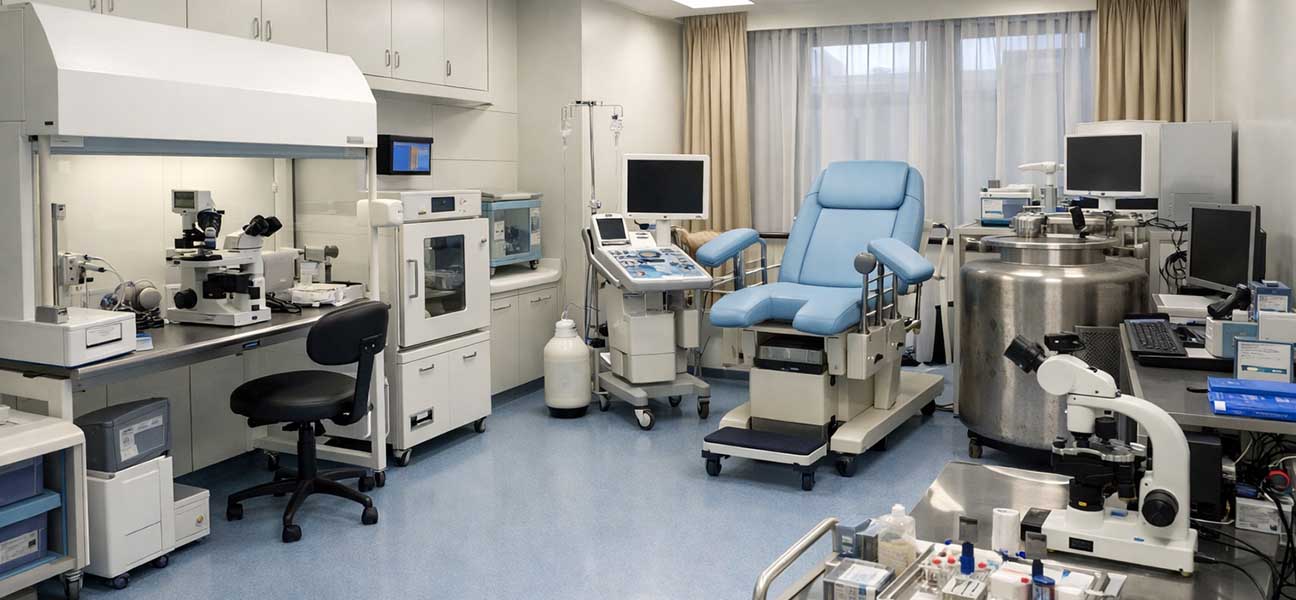
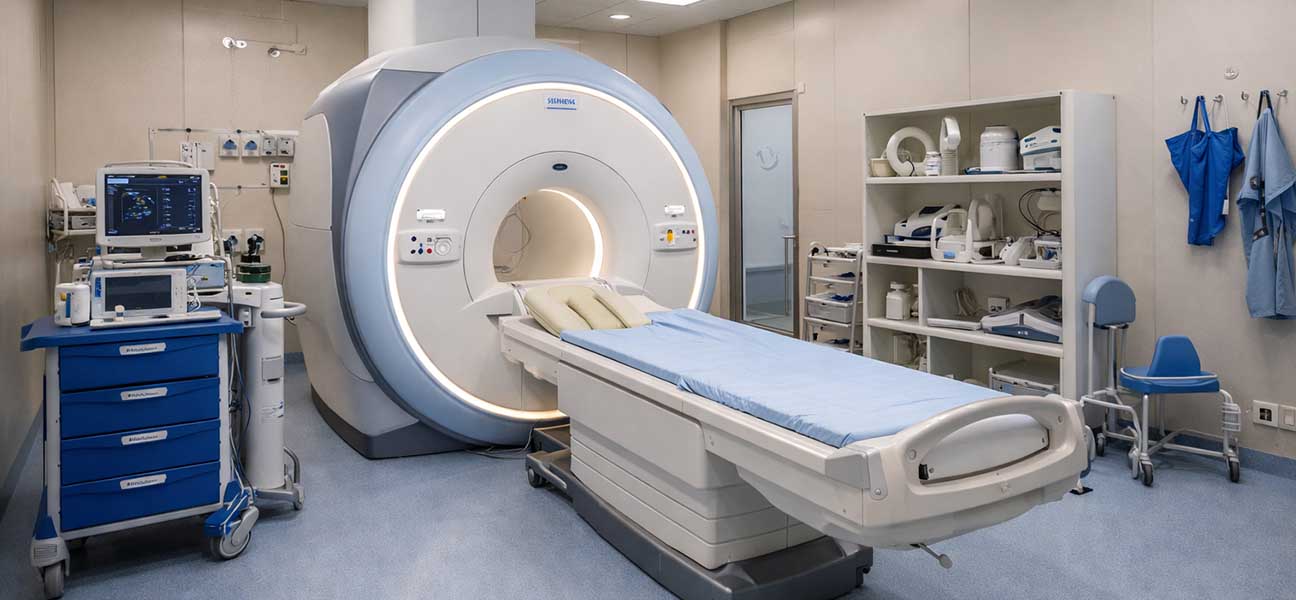
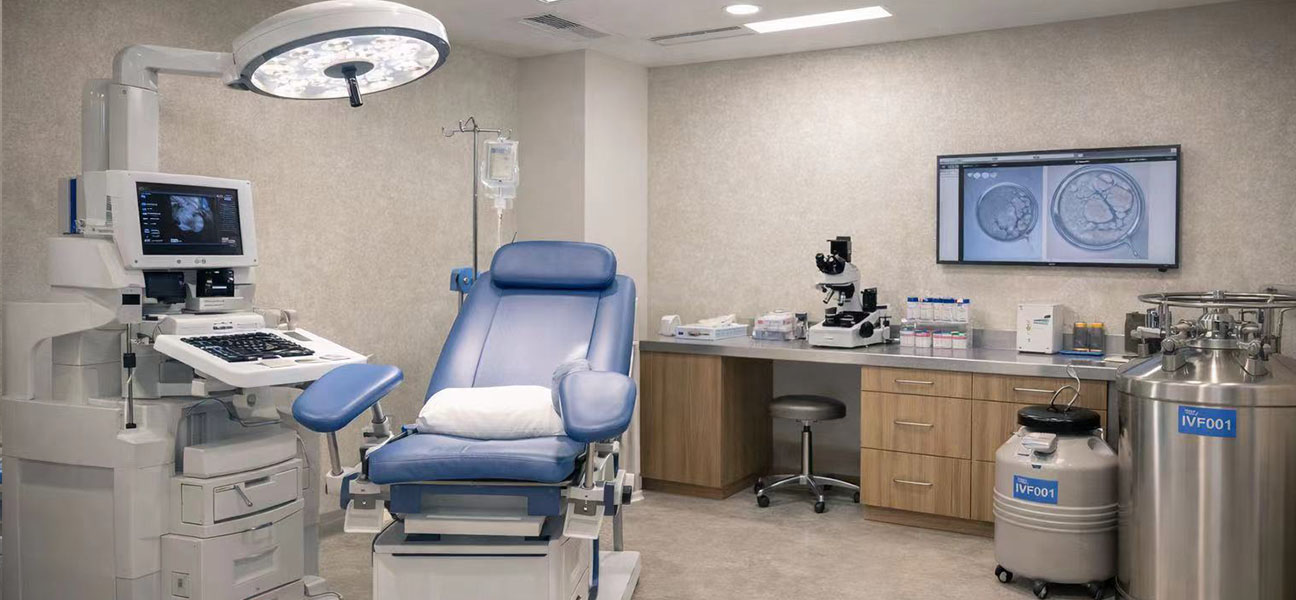
What is the Hospital Environment Like in Georgia - Analysis of Assisted Reproduction Center Hardware and Service Quality
Surrogacy Guide

What is the Hospital Environment Like in Georgia - Analysis of Assisted Reproduction Center Hardware and Service Quality

2026-07-02

What is the environment like in assisted reproduction hospitals in Georgia? This article provides an objective analysis from dimensions such as hardware facilities, laboratory standards, medical teams, hygiene management, and patient services, to help understand the actual conditions of Georgian reproductive centers, differences between hospitals, and selection considerations, without involving success rate promises or marketing promotion.

Read More
Georgia LeaderMed Assisted Reproduction Center: Founding Time and Historical Evolution
Surrogacy Guide

Georgia LeaderMed Assisted Reproduction Center: Founding Time and Historical Evolution

2026-07-02

Georgia LeaderMed Assisted Reproduction Center was founded in 2005, with a history of 19 years. This article analyzes its founding background, development历程, certifications, and comparisons with reproductive centers in other countries, helping users accurately understand the professional expertise and clinical experience accumulation of this institution.

Read More
List of ART Institutions Certified by the Ministry of Health of Georgia and Verification Methods
Surrogacy Guide

List of ART Institutions Certified by the Ministry of Health of Georgia and Verification Methods

2026-07-01

This article details the methods for querying the list of ART institutions certified by the Ministry of Health of Georgia, the verification process for certification standards, helping patients distinguish between certified and non-certified institutions, understand Georgia's assisted reproductive regulatory system, and provide a reference for choosing a legitimate medical institution.

Read More
Is the Georgian Institute of Reproductive Medicine Good? | Real Patient Experiences & Medical Evaluation
Surrogacy Guide

Is the Georgian Institute of Reproductive Medicine Good? | Real Patient Experiences & Medical Evaluation

2026-07-01

Analyzing the actual medical level of the Georgian Institute of Reproductive Medicine (GGRS) from dimensions such as real patient experiences, doctor team configuration, laboratory standards, success rate data, and cost composition. Suitable for those with normal ovarian function seeking third-generation IVF, but caution is advised for older individuals and those with very low follicle reserve.

Read More
Ovarian Rejuvenation Techniques in Georgia: Methods, Candidates, and Success Rate Analysis
Surrogacy Guide

Ovarian Rejuvenation Techniques in Georgia: Methods, Candidates, and Success Rate Analysis

2026-07-01

Ovarian rejuvenation techniques in Georgia primarily include ovarian tissue cryopreservation and thawing, and oocyte vitrification. They are suitable for women with reduced fertility due to cancer treatment, advanced age, or premature ovarian failure. Success rates depend on ovarian reserve, age, and transplantation timing. When choosing, verify institutional qualifications and laboratory standards.

Read More